

DIY vs professional home monitored alarm systems: A complete guide
Technological advancements and lower prices have made home security systems more accessible and popular than ever.
While securing your home once required professional installers hard-wiring equipment into your home and external monitoring, DIY systems mean you can now set up and monitor your own system in under an hour.
But while DIY alarm systems have made home security more accessible, professional alarm systems still come out on top when it comes to reliability and response.
So, which option is right for you?
In this guide, we compare DIY and professional alarm systems, putting them head-to-head in terms of devices, installation, costs, and security performance so you can make an informed decision about the best alarm system for your household.
What are DIY alarm systems?
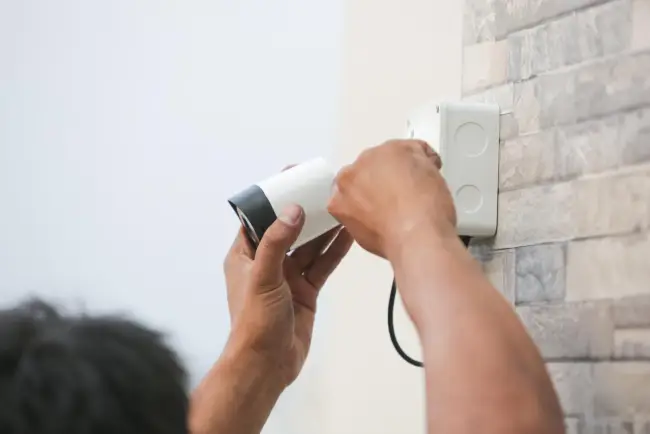
DIY (or Do It Yourself) alarm systems are designed to be self-installed and usually self-monitored, though some offer professional monitoring too.
These systems can be set up without too much technical expertise. Most devices included are wireless and battery-powered so as not to require any wiring work during installation.
DIY systems typically come in pre-configured kits that include cameras, sensors and a control hub. Most systems come with an accompanying smartphone app enabling you to keep an eye on your devices wherever you are in the world, notifying you in case of an alert. Some providers offer monitoring subscriptions, giving you access to cloud video storage and advanced features.
DIY alarm systems are especially popular among renters and homeowners who want flexible, affordable packages and do not want to make permanent changes to their property.
Some DIY home security systems are also usable without having to pay a monthly fee, reducing their overall cost, though it’s worth noting that many still require a monthly subscription to access advanced features or video cloud storage.
What are professional alarm systems?
Professional alarm systems are designed, installed, and monitored by trained professionals. These systems are usually tailored to your property after a security assessment.
They typically include:
Custom sensor placement
Wired or hybrid systems
24/7 professional monitoring
Long-term service agreements
These systems are built for reliability and are often favoured in higher-risk or larger properties.
DIY vs professional security systems
| System & type | Pros | Cons |
|---|---|---|
| DIY systems | ||
DIY |
|
|
| Professional systems | ||
Professional |
|
|


DIY vs professional alarm systems: Sensors and cameras
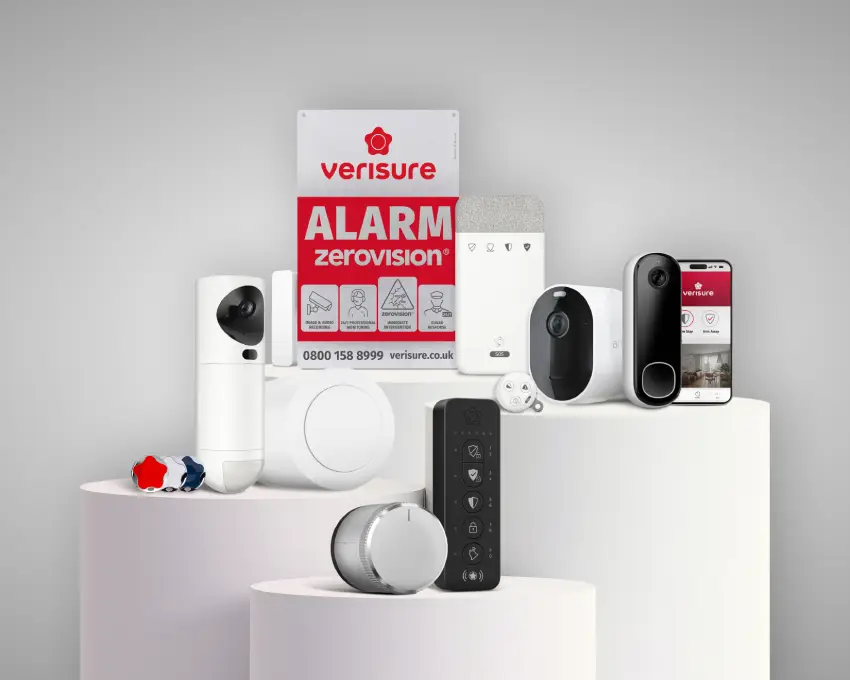
Both DIY and professional systems tend to include a combination of the following essential sensors:
- Door and window contact sensors
- Motion detectors
- Glass-break sensors
- Smoke detectors
- Indoor monitoring cameras
- Outdoor cameras
The main difference between DIY and professional systems when it comes to sensors, cameras and devices is the features they offer.
DIY systems tend to focus on smart features such as AI motion detection which make self-monitoring easier, while professional setups usually prioritise reliability and recording quality.
Device quality and reliability
DIY systems generally use consumer-grade sensors, which are easy to install but may be more prone to reliability or power issues.
Battery-powered devices, which are often included in DIY home security systems, need to be checked on a regular basis to ensure they are working properly or that the battery doesn’t need replacing.
Professional systems tend to use higher-grade devices, many of which are wired-in to increase reliability and durability. That said, wireless equipment has come a long way in recent years and is now commonly used in professional systems such as Verisure’s.
It’s always worth checking whether mains-powered sensors and cameras come with a battery backup in case of a power outage, so you can have extra peace of mind knowing your security system is built with multiple backup protections.
Cameras in professionally-monitored systems may have a higher recording resolution or more storage capacity than self-monitoring cameras so footage can be reviewed more easily, lowering false alarm rates.

Backup power
Most devices in DIY security systems are battery-powered to make them easier to install. While this means they are mostly immune to power outages, you will have to check them on a regular basis to ensure they are working as they should and that the battery doesn’t need recharging or replacing.
Professional systems usually rely on mains-powered, hard-wired devices with a central battery backup to ensure they still work in the event of a power outage.

Communication methods
DIY security systems typically comprise devices that work by connecting to your home’s Wi-Fi, which means they are more vulnerable to power outages. If your power fails and your broadband stops working, the system might not be able to send you alerts in case of an intrusion.
Professional systems, on the other hand, tend to use dual-path communication (Wi-Fi and cellular data backup), meaning they can still send you and the security centre alerts if a sensor is triggered.

Sensors verdict: Professional systems
While both DIY and professionally monitored systems often include similar types of sensors, professional systems tend to be higher-grade, hard-wired and/or have cellular backup for more durability and reliability.
They also tend to prioritise features that make it easier for security professionals to accurately assess a situation and act appropriately in case of an emergency, such as high-resolution video recording and more storage capacity. A holistic system such as the ones provided by Verisure ensures security professionals have multiple points of reference to understand what’s really happening when your alarm goes off.
That said, if what you’re looking for is a system you can monitor yourself, DIY cameras and sensors usually include features such as AI motion detection and rich notifications to make your life easier.
Installation complexity
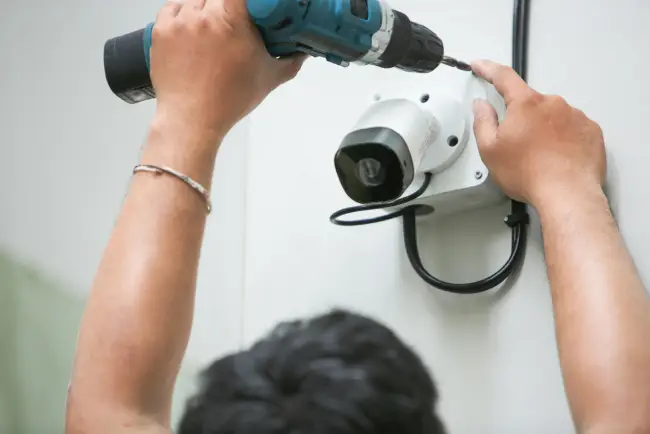
What’s the installation process for DIY systems?
DIY systems are designed to be easy to install, regardless of your technical abilities:
- Sensors are usually peel-and-stick for easy placement
- Most devices are wireless and battery-powered
- The mobile app guides you through installation
Most DIY systems can be installed in 30 minutes to two hours, with no appointment required.
However, placement is your responsibility, meaning setups may not always be optimal.

Professional alarm system installation process
For a professional alarm system, the story is very different. For instance, Verisure home security systems are tailored to your home, which means they are designed and installed by experts.
The process tends to be as follows:
- A consultant will visit your property and conduct an assessment to identify any vulnerabilities.
- A customised system design is created
- The consultant will design a customised system, taking the placement of sensors and cameras into consideration
- A team will come to install your system once you have approved the design, conducting full system testing and calibration to ensure everything is working as it should
This professional installation process ensures your system is as effective as possible, but it does require scheduling and can take several hours or even days, depending on the size of the project.
Installation verdict: Tie
DIY systems are ideal for renters as installing these devices generally does not leave any permanent marks on your property. DIY installation is also free, unlike hiring professionals to do the job.
That said, installing a system yourself may mean you position your sensors poorly, leading to blind spots or overlooking important weak points. Professionally installed systems generally overcome these issues, but they do require multiple appointments to be made and tend to come with an installation fee.
Overall, we’d say professional systems are best suited to property owners with complex layouts and high security needs (as well as a significant budget).
Security and effectiveness
Coverage levels
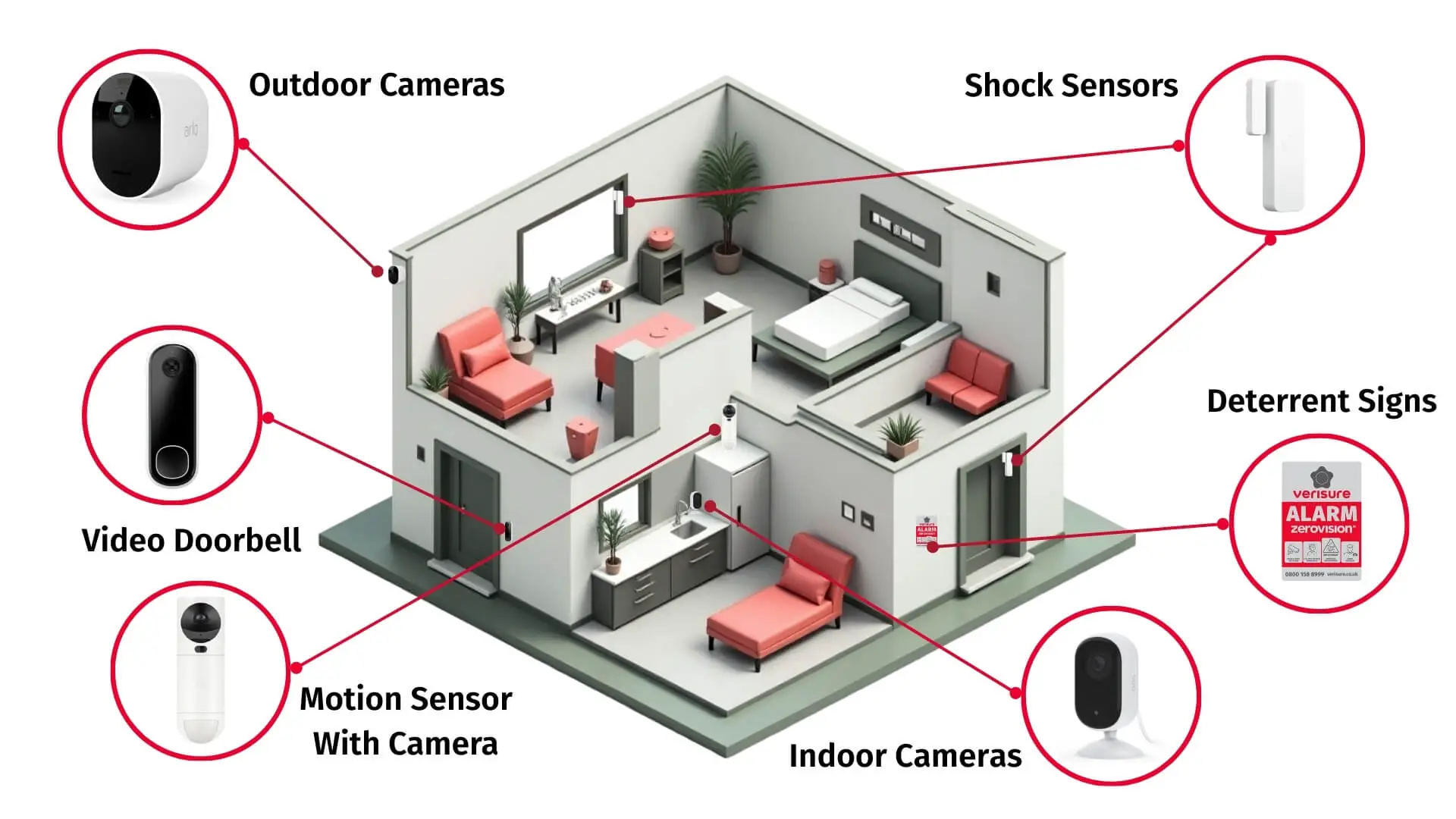
With DIY systems, coverage depends entirely on your setup decisions. It’ll be up to you to decide how many of each sensor or camera you need, and where to place them. Missing a key entry point can significantly weaken security.
Professional systems are designed for comprehensive coverage to help protect your key entry points. Verisure security systems, for example, are all entirely customisable to your property’s needs. They are designed and installed by professionals to ensure that:
- All entry points are secured
- All sensors are optimally placed
- Blind spots are minimised

Human error
By their very nature, DIY systems come with a higher risk of user error, either from incorrect installation, missed notifications or alerts, or even features being accidentally disabled.
Professional systems greatly reduce this risk by being designed and installed by security experts. Said professionals know exactly where to place devices and how to install them to ensure they are working as they should. They will also conduct testing once installation is done, and give you any recommendations necessary.

False alarms
False alarms can be more common in DIY setups due to poor sensor placement and environmental factors. That said, many now come with advanced features such as AI pet detection, limiting the number of times your sensors are accidentally triggered.
Professional systems such as Verisure's are designed to minimise interference. In the event of a sensor being triggered, an alert is sent to a 24/7 Alarm Receiving Centre. From there, professionals analyse footage from other sensors and cameras in your system to assess the situation and respond appropriately, reducing the risk of false alarms.
Security verdict: Professional systems
While DIY systems offer solid basic protection, professional systems deliver superior security through expert design, installation, and monitoring.
Response
A home security system is only as good as the security response it triggers in case of a breach. Below, we compare how DIY and professional monitoring fare when it comes to responding to incidents.
DIY systems (self-monitoring)
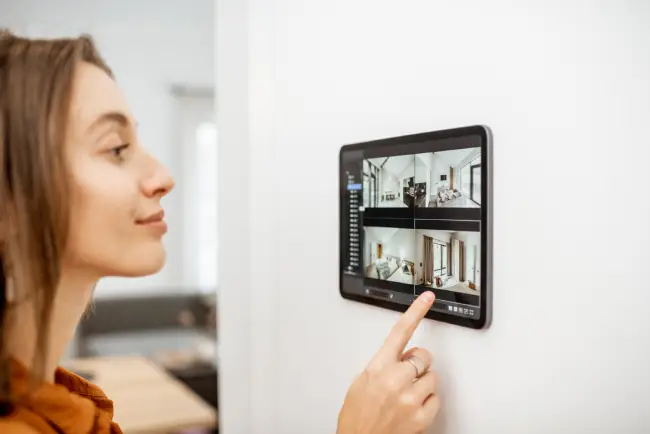
As their name implies, you’ll most likely have to monitor a DIY security system yourself. This means that in case one of your sensors is triggered, an alert will be sent to your phone or other connected device, and it will be up to you to assess the situation and contact emergency services if needed.
This puts full responsibility on you, which can lead to delays or false alarms.
Professional monitoring
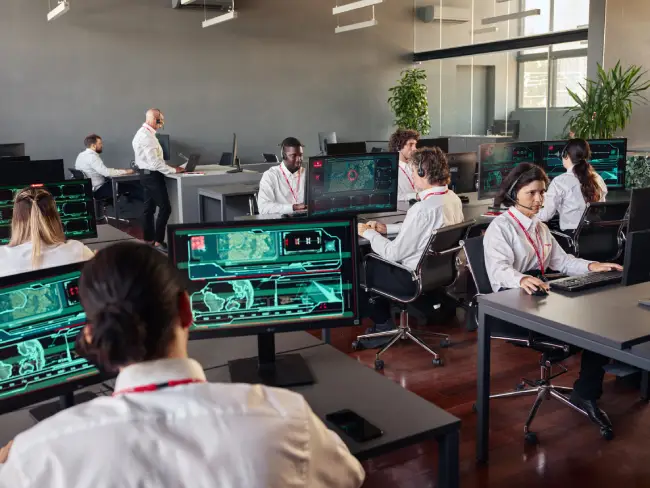
Professional monitoring significantly reduces the burden of managing and reacting to emergency alerts yourself. You can rely much less on constantly checking your phone for routine alerts, as the day-to-day monitoring is handled for you, bringing you extra peace of mind.
Verisure professional security systems include support from a 24/7 monitoring centre, which is notified in the event one of your sensors or cameras detects unexpected activity.
Professionals at the centre then review the trigger and other footage from devices in your system to assess the situation and react appropriately, contacting you and appropriate emergency services if needed.
Thanks to the Siren, Voice, Keypad unit, Verisure security professionals can directly speak to potential intruders in your home, deterring them from entering further.
Response verdict: Professional systems
When it comes to responding to threats, professional systems come out on top. The responsibility for responding to system triggers is handed over to professionals who are trained to respond to incidents in the best and most efficient way.
Pricing
Depending on which you choose, home security systems can cost significantly more than the price on the label.
If you’re opting for a professional security system, you will likely have to pay an installation fee as well as a monthly fee covering monitoring and maintenance. While you don’t have to pay for installation with a DIY system, many require a monthly subscription, even if you’re choosing to monitor your system yourself.
Below, we’ve broken down how DIY and professional systems compare in terms of pricing.
| Cost Type | DIY Alarm Systems | Professional Alarm Systems |
|---|---|---|
| Upfront costs* | Low | High |
| Installation costs | Free | Medium |
| Monthly subscription fees | Medium | High |
Equipment ownership
Ownership is a point that’s often overlooked in the debate between DIY vs professional alarm systems.
DIY system users usually own their equipment outright, having bought it when they paid the upfront price.
On the other hand, professional systems may be leased, tied to contracts or require returning upon cancellation. If you want a system you can keep even if you move, make sure to check the T&Cs before you sign on the dotted line.
Pricing verdict: Tie
Whether paying the higher price for a more premium system installed and monitored by professionals is worth it will ultimately be down to your budget.
Professional security systems usually come out significantly more expensive than DIY systems, especially when you take into account installation costs and monthly fees, but the peace of mind granted by security professionals monitoring your home for you is priceless. You won’t have to worry about checking your phone for alerts or reviewing footage, as this will be done for you.
That said, in terms of sheer value, DIY systems take the win. You can kit out your house with sensors and cameras for a fraction of the price of a professional system, if you’re happy putting in the hours to do the monitoring yourself.
Certifications
Home security systems and the companies that provide them should have certifications to show that they meet certain standards set by independent, third-party bodies such as the SSAIB or the NSI.
These certifications can attest to the quality of the sensors in your system, the installers’ qualifications, the training of the professionals monitoring your system, etc.
The Verisure Alarm Receiving Centre is certified by the Security Systems and Alarms Inspection Board (SSAIB), meaning it is audited and adheres to strict industry standards for competence, impartiality and performance when it comes to securing your property and responding to intrusions.
Verisure was also awarded the SafeContractor Seal of Approval, the market-leading health and safety accreditation which ensures the company’s contractors are working to the highest standards of safety.
Certifications verdict: Professional systems
Professional systems are much more likely to hold the certifications and meet the standards required by insurers than DIY systems, on account of the fact they are installed and monitored by experts rather than an individual user.
DIY vs professional home security system: which should you choose?
The answer to this question depends on many factors including your property type, where you live and your budget.
Below, we’ve listed who each type of home security system is best suited to, based on a range of scenarios.

DIY systems are best for
- Renters
- Small homes or flats
- Tech-savvy people
- Budget-conscious households

Professional systems are best for
- Large properties with complex layouts or many entry points
- High-crime areas
- Families or busy households seeking peace of mind
- Second homes or homes that are not always occupied
Summary
Choosing between DIY and professional alarm systems ultimately comes down to your priorities, budget, and property.
DIY systems have made home security more accessible than ever, offering flexibility and affordability. However, we think that professional systems still lead in terms of reliability, response time, and security levels.
Whichever route you choose, a security system is an investment in your peace of mind. If you would like to find out more about Verisure professional security systems, request a quote here.