












How to Keep Your Home Secure During Renovations
The moment scaffolding appears and a set of keys changes hands, your home’s security changes - often without you realising it.
A home renovation is supposed to improve your quality of life. But for a few weeks, months, or even longer if you’re unlucky, it can quietly make things worse. This isn’t always down to poor workmanship, but due to security gaps that open up the moment work begins.
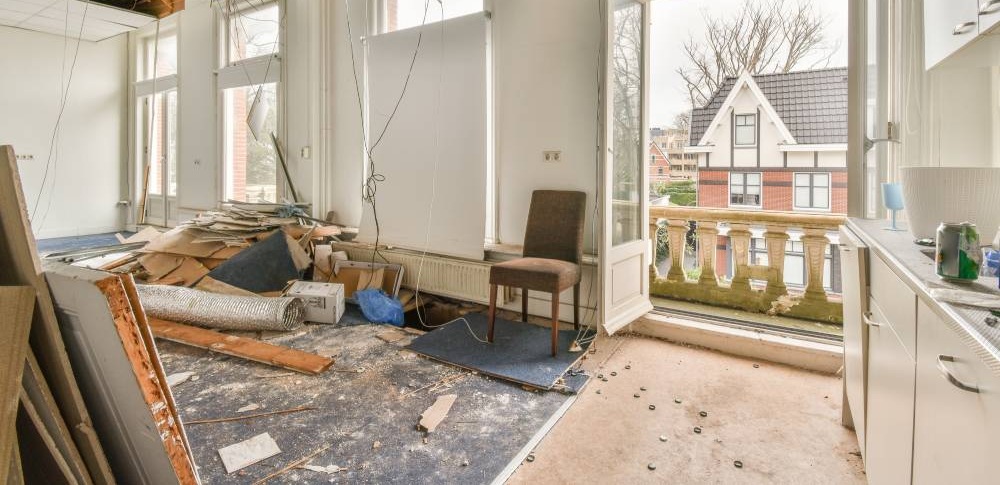
Scaffolding goes up, side gates are left wide open for contractors, deliveries of materials and skips are made, and keys are handed over. Once-secure doors are replaced with sheeting and plywood, windows are left open, and it’s difficult to track who is on your property and when.
None of this is unusual, but all of it poses a security risk. Here is what to know about keeping your home secure during your next renovation project.
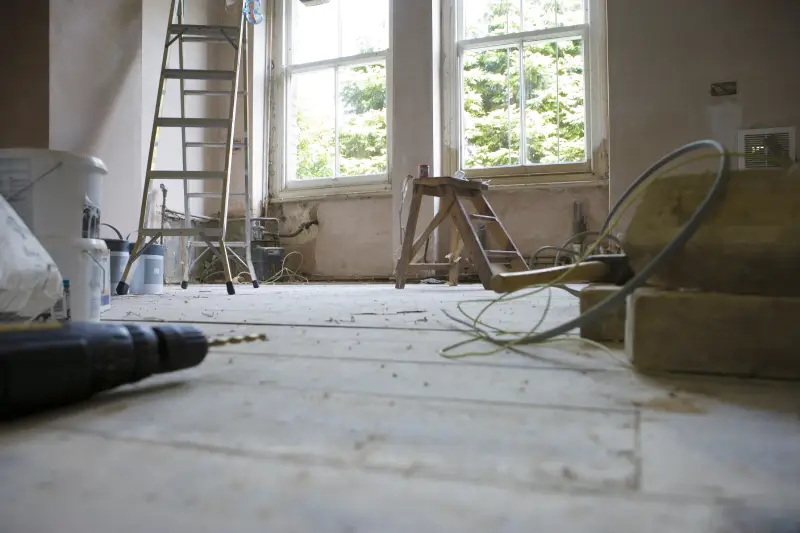
Why Renovations Create Security Gaps
Your existing security setup was designed around your home as it stands. An alarm system, for example, typically protects specific entry points and zones, such as doors and windows. But the moment a rear extension goes up, or windows are removed for replacement, those zones change - or disappear entirely.
The number of people with access to your property extends beyond your family and friends; managing your property can be chaotic, routines can vanish, keys are passed among different contractors, and existing security systems might be disabled to prevent false alarms.
Risks don’t increase because you are careless. Instead, the core issue is that your typical home security measures don’t apply to the unusual situations and access requirements of renovations.
The Four Main Risks to Home Security During Renovations

Contractor Access
You are, in effect, inviting multiple people into your home at all hours, some of whom you will never have met before. The main contractor is vetted; the sub-contractors, delivery drivers, and casual labourers who are also on-site may not be.
While the vast majority of tradespeople are professional, it only takes one careless individual to impact your home security.
Unsecured Entry Points
Doors and windows removed during renovation create obvious gaps. But the subtler ones catch more people out: scaffolding that provides easy roof access; gates that are propped open or temporarily removed; garden back doors left unlocked for contractors moving in and out of your property; or ground-floor windows left unlatched.
Valuable Equipment and Materials
Power tools, vehicles, pipes, electricals, appliances, and furniture can all lure burglars, who may be banking on the idea that your renovation has created open entry points. During claims, many insurers may pay particular attention to whether site equipment and valuables were securely locked away.
Disabled Alarm Systems
If your existing home security system uses cameras and motion sensors in areas being renovated, they may need to be disabled to prevent constant false alarms.
This is understandable, but it should be a deliberate, managed decision, not something that quietly happens. After all, if you are unaware that an alarm system has been disabled, it may be left off unintentionally, increasing risk.

Practical Steps for Solid Security During Your Home Renovations
Create a Plan for Contractors
You need to develop a plan before work begins. It’s important that you keep track of who has a key to your home (or a code), that you know who is authorised to be on site unsupervised and when, and that you ensure you can supervise or are on-call if a problem occurs.
Contractors should be vetted properly through reference checks, online reviews, referrals, and proof of insurance. For longer home renovation projects, request a criminal records check for anyone who will be working unsupervised in your home.
Control Home Access
Applying the home security tips below can help you control who has access to your home and when:
- Issue one set of keys to the site manager, rather than to individual tradespeople.
- Use a key safe with a code that changes at the end of the project.
- Keep an access log: who was on site, when, and what they were doing.
- If you have a smart lock, set up a temporary PIN that expires at the end of the project.
- Use motion-based cameras to monitor your site out of hours.
Secure Your Home’s Entry Points
Entry points should always be secured at the end of each working day, and especially when no one is on-site. You can ask your contractors to perform the following tasks, but if you are available, consider doing a final check at the end of the day:
- Secure open doorways and board up window openings.
- Padlock gates, and ensure scaffolding does not double as a ladder to upper floors.
- Where external doors are temporarily removed, replace them with a solid temporary door and a proper lock rather than a sheet of plywood.
Protect Equipment and Materials
Do not leave high-value items on site overnight if possible. They should be returned to a locked van or secure storage.
Whenever possible, keep valuables out of sight.
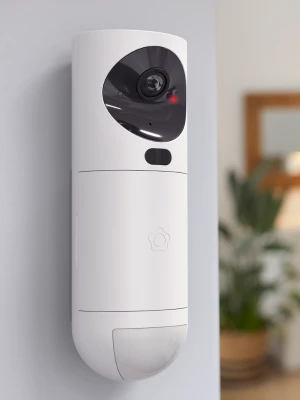
A site camera or a temporary outdoor sensor system can serve as a deterrent and provide evidence if something goes wrong.
Adapt Existing Home Security Systems for Your Renovation Project
This is where renovation security and building a home security system intersect, and where many homeowners miss opportunities to protect their homes effectively.
If you already have a home security and monitoring system, speak to your provider before work starts. A professional installer can reconfigure your system to accommodate new zones, properly disable affected sensors rather than leaving them half-triggered, and add temporary outdoor protection for your home, equipment, and materials during the project.
When your home's renovation is complete, the system can be updated to protect your home's new layout.
If you do not yet have an alarm system, a renovation is actually a sensible time to have one installed. Cables can be concealed within new plasterwork, sensors and cameras can be positioned in newly created spaces for optimal coverage, and the system can be designed around your home's final layout, rather than retrofitted afterward.
The Post-Renovation Security Checklist.
- Check every new door and window to ensure they lock properly and are secure.
- Update your alarm system to cover new rooms, windows, or entry points created during the build.
- Your home insurer should be aware of the renovation and must be notified when it is complete. Confirm that your cover is fully reinstated.
A renovation upgrades your home, and your security system should reflect that. Verisure's professional security specialists can reconfigure your existing alarm to address the vulnerabilities created by a building project.
Start a quote with Verisure today and make sure your renovation doesn’t leave your home exposed.