
New research reveals a dangerous misconception about home security, almost seven in ten UK burglaries happen while someone is at home, yet almost half of Londoners (49%) admit they don't always lock their front door, even when they're inside.
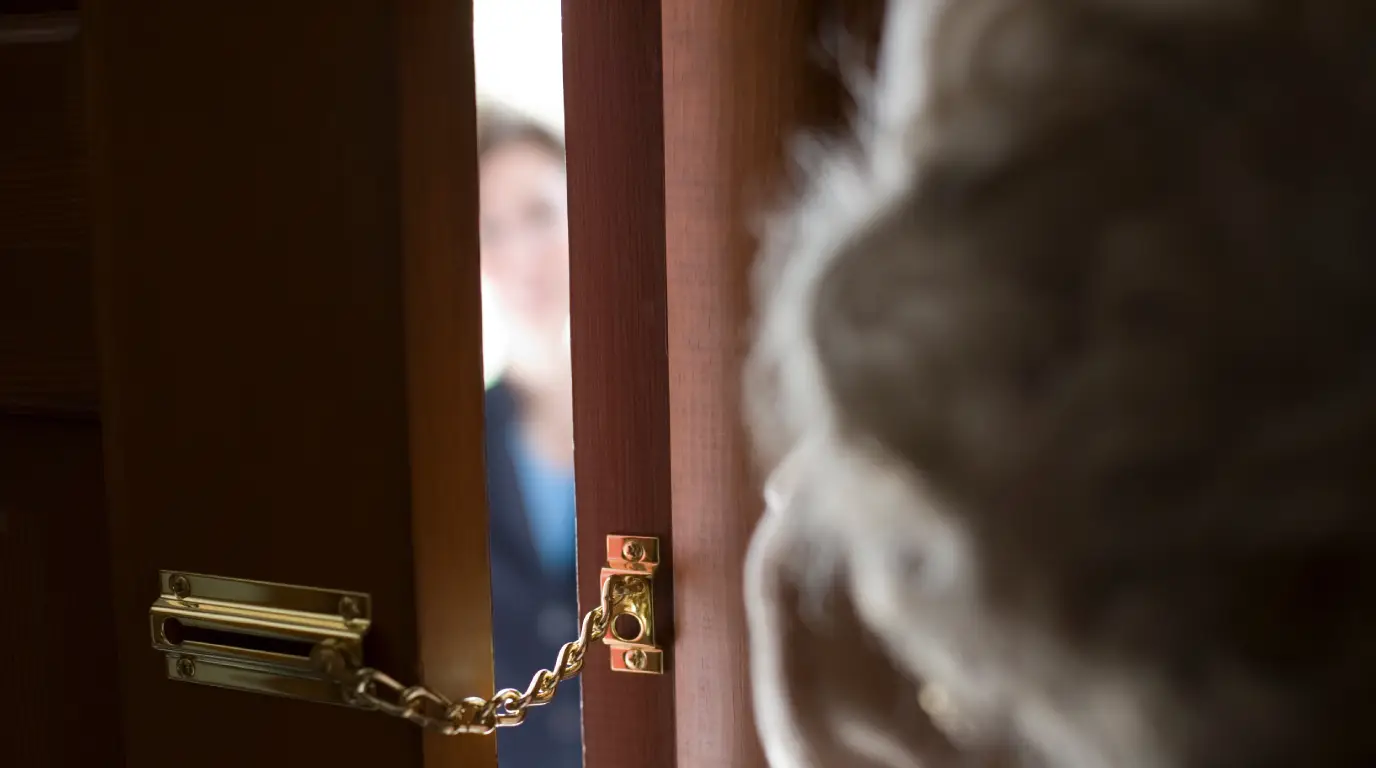
While many people assume burglars target empty homes, the reality is very different. Almost seven in ten burglaries in the UK (68.9%) happen while someone is at home, according to ONS data. Yet new research from home security firm Verisure found that almost half of Londoners (49%) admit they do not always lock or secure their doors and windows while they're inside, suggesting many may be underestimating how vulnerable they are to burglary, even when they're home.
The front door remains the entry point burglars target most, accounting for around one in two UK break-ins, based on Crime Survey for England and Wales data showing 62% of burglars enter via the front of a property, and 76% of those through the door itself. Despite 70% of Londoners saying they're worried about a home break-in, security habits are lagging behind that concern, a gap that becomes even riskier with the school summer holidays now underway and more homes left empty for longer.
One in four don't trust their own front door
One in four Londoners (25%) admit they aren't confident their front door lock would prevent a forced break-in, compared to around one in five (22%) of Brits nationally. That's a meaningful gap, and a troubling one, given the front door is also the entry point burglars target most.
Verisure's data shows 44% of Londoners have first- or second-hand experience of a burglary attempt or break-in, well above the 37% national average, with almost three in ten (29%) knowing someone whose home was successfully broken into.
Nearly a third take no precautions at all
Despite that heightened risk, just under a third (30%) say they've taken none of the common security measures, from high-security locks to cameras or sensors, the highest proportion of any UK region. Just 23% have invested in high-security locks, below the 28% national average.
For a city where anxiety about break-ins runs highest and trust in existing security runs lowest, the data suggests many Londoners are failing to take basic home security measures.
Romy Madhas, 20, from Heston in West London, knows exactly how quickly that sense of security can be shattered. His family's home was broken into while they were inside.
"Having your home broken into is one of the most violating experiences you can go through," he says. "A stranger was able to break through my front door while me and my family were home... They didn't just steal our belongings, they stole our privacy, our memories and our sense of security."
Among the items taken was a diamond ring belonging to his mother, one she had always planned to pass down to his future wife.
"It's not the monetary value that hurts the most, it's the sentimental value that can never be replaced," Romy says. "The mental and financial damage this burglary left behind is immeasurable. They didn't just take what was inside my home, they took my peace of mind too."
Romy didn't have home security in place at the time.
"After everything that happened, we decided to install a monitored home security system with Verisure. It hasn't erased what happened, but it has helped us feel a little more comfortable in our own home again."
Edouard Rekko, UK Managing Director of Verisure, says the data reflects a pattern he sees regularly:
"People often assume burglary is something that happens to someone else, and only when they're not home. But these findings show how easily everyday habits, like leaving a door unlocked while you're still inside, can leave a property exposed. The front door remains the UK's most targeted entry point, whether a house is empty or not."
He adds that the summer period sharpens an existing problem rather than creating a new one:
"As families head off for the school holidays, those same everyday habits become even riskier. A door that's sometimes left unlocked at home is just as likely to be left unlocked on the way out for a fortnight. Locking up is the bare minimum — with one in four Londoners unsure their lock would even stop a break-in, it's worth thinking about what's actually protecting your home. Strong entry points, visible deterrents and professionally monitored protection, like our LockGuard system, can make the difference between a vulnerable home and a protected one."
Verisure's Head of Quality and Installation, Ryan McHugh, shares expert advice on how Londoners can close these gaps this summer:
Five home security mistakes Londoners should avoid
1. Not locking up, even when they're home
Almost half of Londoners (49%) admit they don't always lock their doors and windows while they're in the house.
"We still attend properties where doors are left unlocked, sometimes accidentally and sometimes just out of habit," says McHugh. "The most secure homes are usually the ones where locking is automatic, not optional."
2. Skipping high-security locks
Just 23% of Londoners have invested in high-security locks, compared to 28% nationally. With the front door accounting for around one in two break-ins, McHugh says it's often the simplest upgrade to overlook:
"A lock is only as strong as the structure holding it. Even a high-quality lock can be compromised if the door and frame aren't sound."
3. Not making the house look lived-in
Only 29% of Londoners take simple steps like leaving a light or the TV on to make a house look occupied, against 38% of Brits nationally — one of the most overlooked deterrents in the capital, and one that costs nothing to fix.
4. Leaving valuables in view of the front door
McHugh flags this as one of the most common oversights on the job:
"Car keys, house keys, wallets and bags should never be stored in clear view of the entrance. Burglars are opportunists and will often look for easy wins first."
5. Not telling anyone they're going away
Just one in four Londoners (25%) inform a neighbour when they're going away, compared to 35% nationally, despite this being one of the simplest ways to keep an eye on a property left empty over the summer holidays.
A stronger line of defence
For added peace of mind, McHugh points to monitored protection as the next step up from a lock alone:
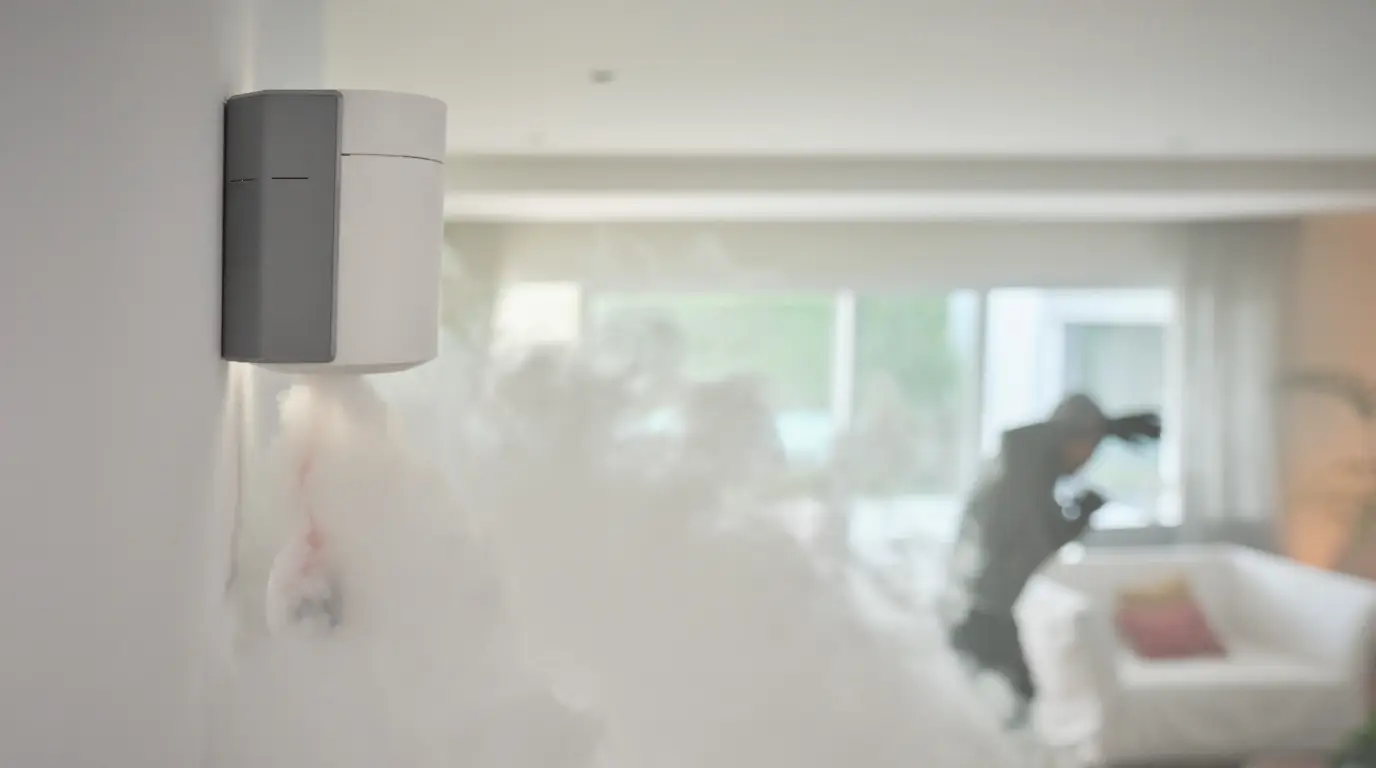
"Modern systems, like Verisure's LockGuard, combine physical reinforcement of the door with 24/7 monitored security. If someone tries to force entry, it triggers an alert straight away to a professional monitoring centre, and trained staff can check what's happening in real time and take action if needed, including contacting you and alerting emergency support if required."