The Head of Quality and Installation at Verisure, Ryan McHugh, shares expert advice on practical front-door security, offering tips to help homeowners strengthen everyday security habits.
Keep Your Front Door from Giving Away Information
It’s worth thinking about what someone outside your home can actually see. In some properties, letterboxes or glass panels can allow visibility into the hallway or reveal movement inside the home. A simple internal letterbox cover or brush guard can help prevent people from looking in and reduce unnecessary visibility. The key point is maintaining privacy at the most exposed part of your property.
Keep Keys and Valuables Away from the Entrance
One of the most common issues we see is everyday items being left near the front door for convenience. Car keys, house keys, wallets, and bags should never be stored in clear view of the entrance. Burglars are opportunists and will often look for easy wins first. Keeping valuables deeper inside the property, out of sight from the hallway, removes one of the simplest opportunities for theft.
Always Make Sure Doors and Windows Are Locked
It sounds very simple, but it is still a common security oversight. We still attend properties where doors are left unlocked, sometimes accidentally and sometimes just out of habit. Make it routine to check all entry points, not only at night or when leaving the house, but also while you are at home. Many opportunist burglaries happen during the day when occupants are present and assume there is no need to lock up. The most secure homes are usually the ones where locking is automatic, not optional.
Consider a Smart Lock with Monitored Protection for Added Peace of Mind
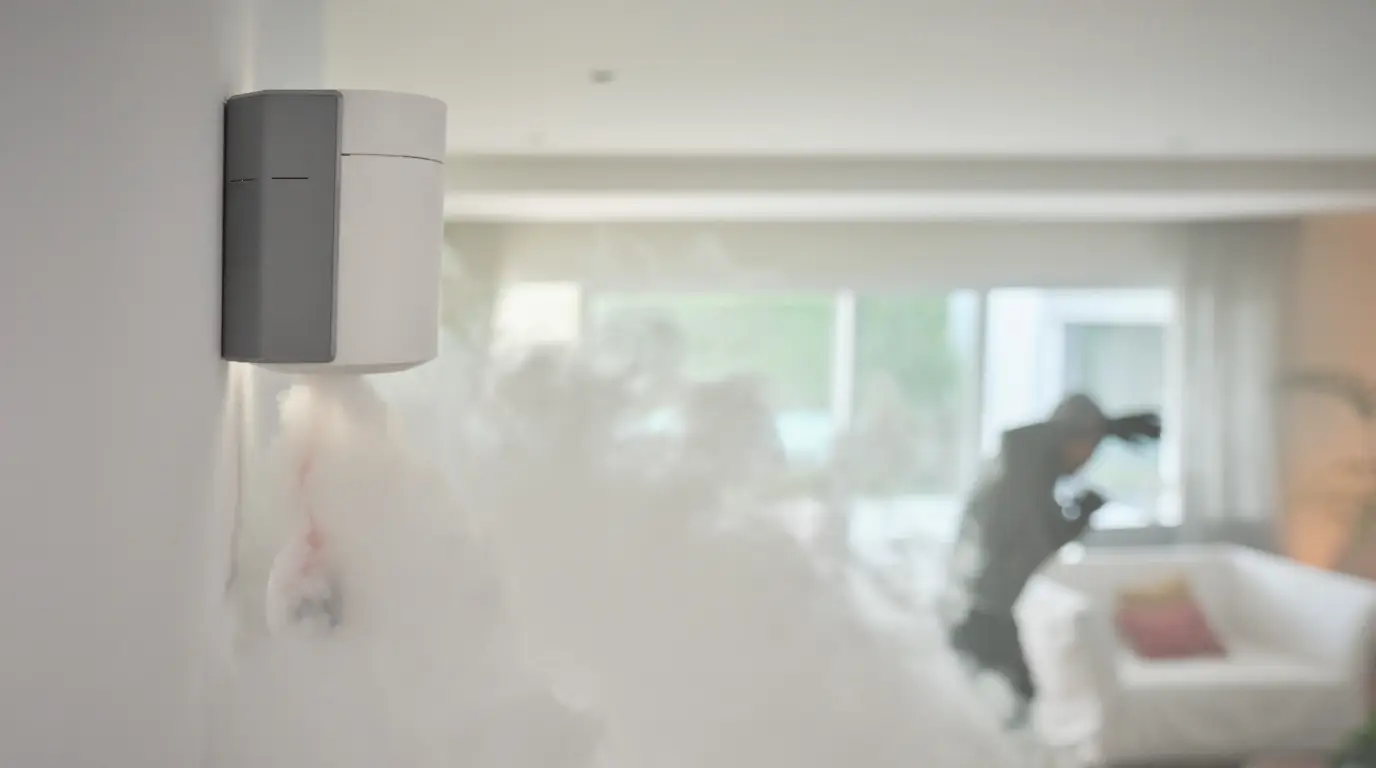
Modern systems, such as Verisure’s LockGuard, combine physical reinforcement of the door with 24/7 monitored security. If someone tries to force entry, it triggers an alert straight away to a professional monitoring centre. Trained staff can check what’s happening in real time and take action if needed, including contacting you and alerting emergency support if required. It also makes everyday access to your home easier for you, while still keeping your home protected at all times.
Add an Additional Layer of Protection with Reinforced Locks
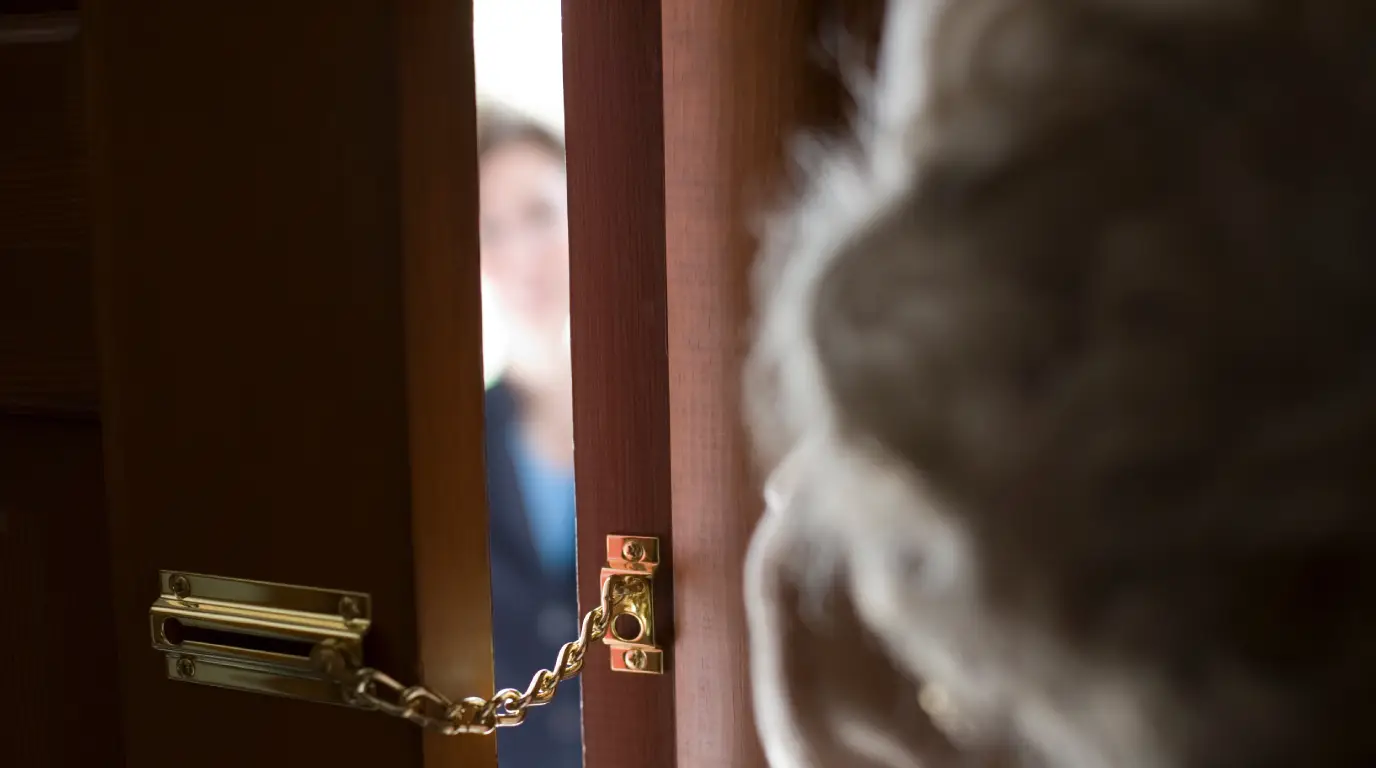
A deadbolt, security chain, or secondary locking device can provide an extra barrier at the point of entry. While no single product guarantees complete protection, additional layers increase the time and effort required to gain access. In many cases, that delay alone is enough to deter opportunistic attempts.
Make Sure Your Door and Frame Are in Good Condition
A lock is only as strong as the structure holding it. If a door sticks, drags, or requires lifting to lock properly, it may indicate movement in the frame or wear in the hinges. Over time, particularly in older properties, doors and frames can weaken or shift, so it’s worth checking them periodically as part of general home maintenance. Even a high-quality lock can be compromised if the surrounding structure is not sound.
Stay Alert During Deliveries and Door Openings
Modern delivery routines can unintentionally reduce security awareness. Leaving doors open while bringing parcels inside or automatically opening the door without checking who is there can create opportunities for intruders to gain access. The key is consistency: treat every interaction at the door with the same level of awareness, even when it feels routine.
Treat Communal Entrances as Part of Your Security
In flats and converted buildings, security doesn’t start at your front door; it starts at the communal entrance. If shared doors are broken, propped open, or not closing properly, it reduces the effectiveness of individual door security. Be mindful of who is entering behind you and report issues with communal entry systems when they arise.
Install Good Habits for All Members of Your Home
Locking doors every time, keeping valuables out of sight, maintaining door condition, and staying aware of entry points all work together to significantly reduce risk. Small, repeated actions often make the biggest difference over time. When these habits are supported by modern access control, a smart lock can help bring everything together by making it easier to stay consistently secure, while also improving visibility and control over who is entering and when.