
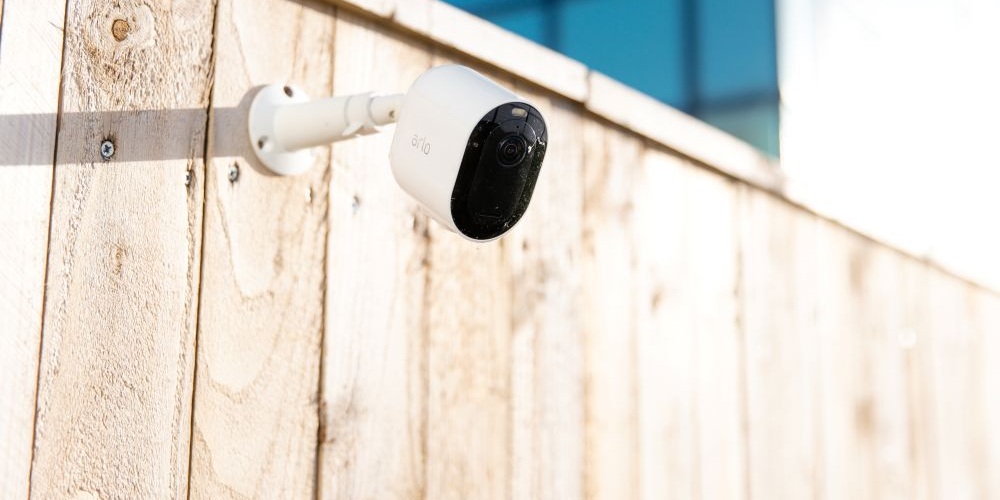
How to install outdoor security cameras: a guide
Thinking about installing outdoor security cameras yourself? This step-by-step guide from Verisure's experts explains everything you need to know: from CCTV installation best practices to legal aspects.
We will cover:
- The pros and cons of DIY vs professional installation
- How to choose between wired, wireless, battery or solar-powered cameras
- Step-by-step placement and power/setup tips
- How to protect your cameras from damage or interference
With over 30 years of experience, we will always recommend professional installation and monitoring from Verisure. But if you're handling the setup yourself, we will share with you our expert tips and best practices.
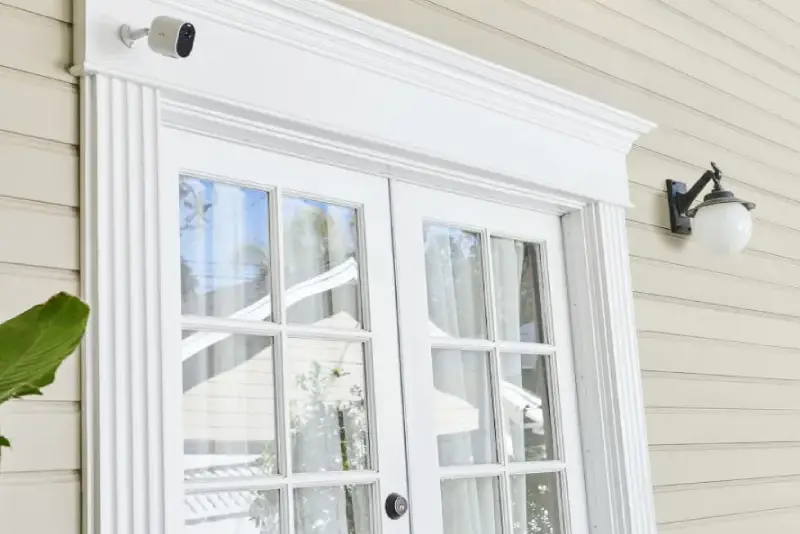
Why outdoor security cameras are essential for home protection
Security cameras have become one of the most effective tools for protecting homes and deterring potential intruders.
When you've got a visible security camera on your property, you're sending a clear message: my home is protected, and not an easy target for intruders. Most burglars prefer quick wins, and knowing that an area is under surveillance often stops crime before it starts.
Beyond deterrence, outdoor cameras give you constant visibility of the area around your property, providing multiple helpful uses such as:
- Checking who's at your front door
- Keeping an eye on deliveries
- Monitoring your garden when you're away
- Peace of mind that your car, bikes, or garden furniture is safe
What's more, modern outdoor security cameras integrate seamlessly with smart home alarm systems. This allows homeowners to monitor their premises in real-time through mobile apps, with instant alerts for motion or activity. The result? Complete, round-the-clock awareness of what's happening at your property, even when you're not at home.
Choosing the right outdoor camera for your home
No two homes are the same, and neither are their security needs. From occupant habits to house size and driveway or parking set-up, every home is different. So, it makes sense that the type of outdoor camera will need to be different, too.
When selecting your external security camera, you should consider the type of property you have, available power sources, and how much flexibility you want for placement and monitoring.
Here are some crucial elements to consider when choosing:
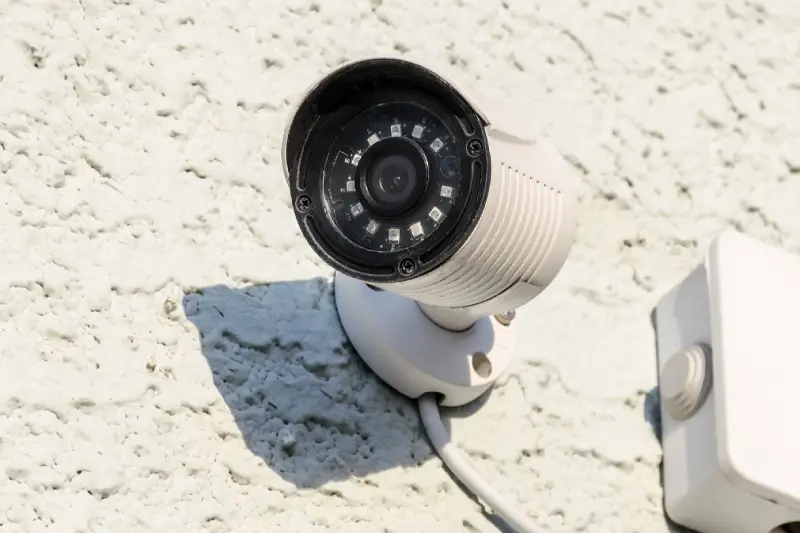
Wired vs wireless outdoor security cameras
You can either opt for a wired camera (connected to your home's power and internet) or go wireless and rely on long-life rechargeable batteries instead.
- Wired cameras connect directly to your home's power source and internet. This offers consistent performance and uninterrupted footage streaming, making them ideal for permanent installation. However, wired cameras require cabling and some structural work to install safely, which can be time-intensive and costly.
- Wireless cameras connect via your home's Wi-Fi. They're easier to install, flexible in positioning, and can be relocated without complex wiring. The main consideration is ensuring your Wi-Fi signal is strong and stable where the camera is mounted.
Battery-powered and solar camera options
Battery-powered options are a popular choice for those looking for DIY outdoor security cameras with minimal hassle to set up. They require no wiring and are quick to install, often with light screws or heavy-duty stickers, making them ideal for renters or temporary setups.
Some more sophisticated models even combine solar charging to maintain power automatically, reducing the need for regular recharging. These systems are especially useful for hard-to-reach spots like outbuildings, or areas far from mains access.
Connectivity and storage
The ideal camera should offer the possibility of connecting in real time, such as through a dedicated app on a smartphone. In addition, considering storage capacity, both locally and in the cloud, will ensure access to past recordings when necessary.
Easy to install
Many easy-to-install exterior security cameras come with helpful, simple instructions and mounting kits. Wireless models typically take minutes to set up, while wired systems may need more planning. Consider your comfort level; if cabling or ladder work feels risky, professional outdoor CCTV installation is the safest option.
Price
Security is priceless, but budget remains important. Comparing models based on price, features and reliability can help you find a solution that offers balanced value for money. While one-time purchase options may seem like a smart choice, up-front costs can be high, and subscription camera and alarm systems usually come with free repairs and maintenance packages baked in.
Additional features: night vision, weatherproofing, and motion detection
The best external security cameras are effective in all weather conditions, durable, and able to detect potential threats in even the lowest of visibility. If you're looking to get your money's worth when it comes to cameras, here are some must-have features to prioritise:
| Feature | Explanation | Verisure example |
|---|---|---|
| Weather resistance | It's not just about protecting the camera from rain. An ideal external camera should be robust and weather-resistant to heavy rain, heavy snow, gusts of wind and extreme temperatures - both hot and cold. | Verisure's outdoor cameras are UV & weather resistant (between -20 to 45 degrees), ensuring reliable operation in all UK weather conditions, from winter frost to summer heat. |
| Image quality | Given the recent advancements in image technology, HD cameras are a natural choice to ensure clear and detailed images. These may be crucial in situations where precise identification is required. | Verisure's cameras record in full 1080p HD, delivering sharp, detailed images day and night. This helps users clearly identify people and activity around their property. |
| Night vision | Suspicious activities like thefts and attempted break-ins occur under the cover of darkness. A camera with advanced night vision, using technologies such as infrared, can make a difference in identifying potential threats or illegal activities. | Verisure's outdoor cameras come fitted with an integrated motion-activated security light, to quickly illuminate any would-be intruders. |
| Motion detection | Motion sensors help detect and record movement automatically, triggering alerts or recording sequences only when activity occurs - saving energy and storage space. | Verisure's smart motion detection technology sends instant alerts through the Verisure app. |
| Viewing angle | A camera with a wide viewing angle can cover larger areas, reducing the need for multiple cameras. This is particularly important in open areas or at strategic points, such as entrances or crossings. | Verisure cameras provide a wide-angle field of view to cover driveways, gardens, and entry points. They offer complete visibility, with minimal blind spots. |
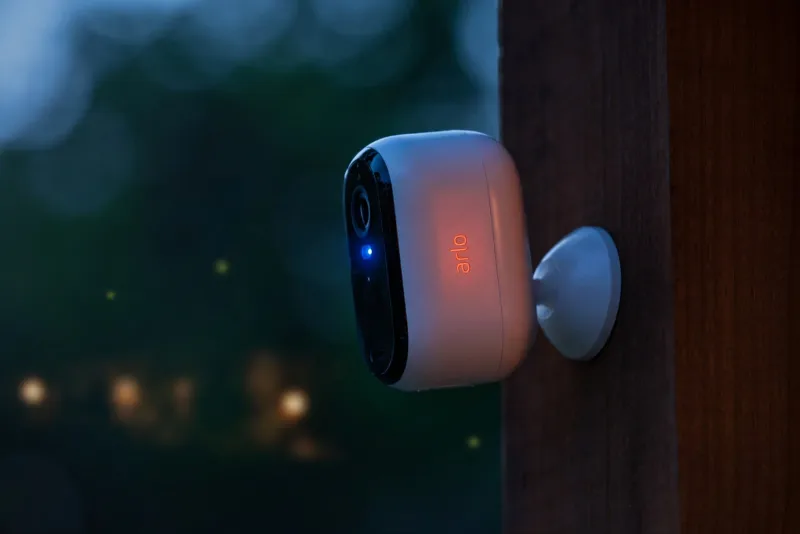
| Two-way smartphone connectivity | Modern CCTV systems don't just record footage, they keep you connected in real time. With smartphone integration, you can view your camera feed, receive motion alerts, and respond from anywhere. | The Arlo XL Wireless Camera links directly to your phone via the Verisure app, allowing you to check live footage and respond instantly to alerts. |
| Rechargeable long-life battery | The best outdoor security cameras are low-maintenance for homeowners. A long-lasting rechargeable battery ensures reliable performance without frequent charging or complex wiring. | Verisure's outdoor cameras feature a rechargeable battery with up to 6 months of life per charge, maintaining constant protection with minimal upkeep. |
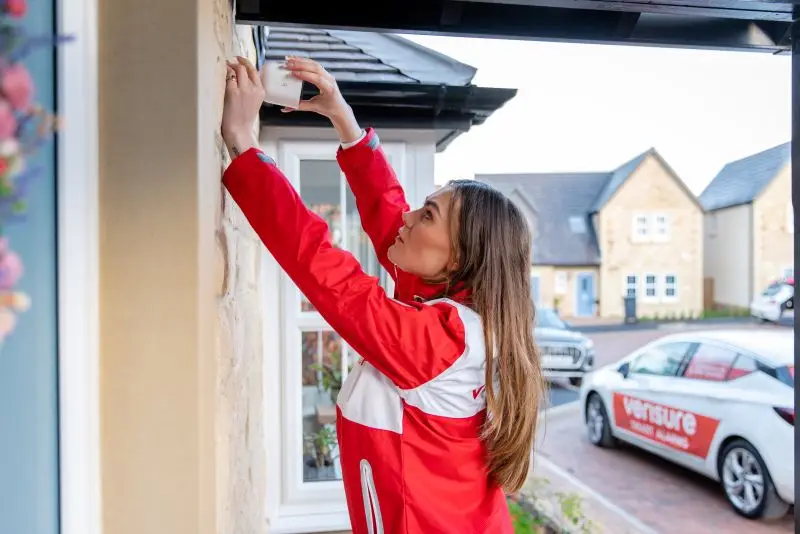
How to install outdoor security cameras: a step-by-step guide
"Can I install outdoor cameras myself?" Yes, you can. And here's how.
Once you've settled on your camera type and are happy that it meets enough of the criteria outlined above, it's time to get installing. If opting for a Verisure security camera, you can put your feet up at this stage, since our qualified technicians will do all the outdoor CCTV installation and security/compliance checks for you.
If not, here's a practical guide.
Decide on your camera placement
Make sure that key entry points, such as doors, driveways, and garden access, will be seen by the camera.
Where to place outdoor security cameras
Wondering how to decide where to place a security camera outside your home?
The UK's data privacy and protection guidelines have knock-on effects for the recommended placement of external-facing cameras, specifically the height and the angle. So, strategic placement is crucial - not only to maximise protection and coverage, but to stay on the right side of the law. Bearing those regulations in mind, here's some helpful advice on where to position your exterior CCTV cameras:
Front door and driveway
The obvious choice for homeowners, the front door and driveway are the most common entry points for visitors and potential intruders. For direct coverage, position a camera to capture anyone approaching your door or gate, prioritising visibility of faces rather than just heads or torsos.
Back garden and side entrances
For burglars seeking a concealed entrance, back garden gates and side entrances are ideal entry routes. These places are often overlooked by homeowners when it comes to outdoor CCTV installation. Be sure to install cameras at angles that cover these paths, without infringing on neighbours' property lines.
Garage and outbuildings
They say that your home is only as secure as your weakest entry point, and outbuildings are included in that. Garages, sheds, and detached offices contain valuable tools or equipment that can be targeted by burglars. Installing a camera above a detached building or garage entrance deters theft and provides evidence if incidents occur.
Check your Wi-Fi strength
Poor or "laggy" signal can affect the quality of the footage and cause connection drops. Make sure you test that the spots where you plan to mount the camera aren't in "dead zones" without signal.
Install the camera mount
Most DIY outdoor security cameras include a self-installation kit, with a template for drilling holes and attaching the mounting bracket. Position the camera at eye level for clear footage, but high enough to avoid tampering.
What's the best height for outdoor security cameras?
Regardless of whether you opt for a single security camera that covers your main entrance, or a coordinated system that captures movement across your entire property, positioning is essential.
Height, in particular, is a sticking point for homeowners choosing to install DIY outdoor security cameras. Place the camera too high and you lose detail like faces and name badges; place the camera too low, and risk it being tampered with or stolen.
Best wide-angle view
Our recommended range for most installations, reducing the likelihood of vandalism or tampering while keeping a wide field of view.
Near an entrance point
Position the camera at this height close to entrances so it can capture faces clearly.
Full perimeter coverage
For large gardens, mount the camera as high as this on an exterior wall to capture your full perimeter.
Connect and test your camera
Once mounted, turn on the device and follow the instructions to set it up. Many providers have apps and software that you can sync with. At this stage, you should be able to test live view, motion detection, and recording functions, before completing the installation.
Adjust the viewing angle
If necessary, you can play around with the camera angle to eliminate any glare from lights or reflective surfaces. For maximum facial visibility, aim the camera slightly downwards.
Tip: if you're unsure about wiring, ladder work, or drilling near electrical lines, professional installation is always the safest option.
How can I protect my outdoor cameras from tampering?
To protect your outdoor cameras from being tampered with, deliberately damaged, or vandalised, you should:
- Install them at a sensible height that's out of reach from opportunistic burglars.
- Choose weather-resistant models to avoid them getting damaged easily over time.
- Secure the cameras using anti-tamper mounts or locking brackets for added durability.
- Conceal any exposed cables and enable motion-triggered alerts, so you're notified immediately if someone approaches or interferes with your camera.
With Verisure's 24/7 professional monitoring, any signs of tampering are quickly detected and verified by trained specialists, ensuring your home remains protected at all times.
Powering external security cameras
We often get asked: "Do outdoor cameras need to be plugged in?"
While every camera does need some kind of power source to operate, how this power is supplied differs depending on the style of camera you have.
There are multiple different types of exterior CCTV cameras, from mains-powered options to solar and battery-powered cameras. Each of these requires its own power system:
- Wired mains power: the security camera is connected directly to your home's electrical system for reliable, uninterrupted operation. This option requires professional installation, as some structural work may need to be done.
- Power over Ethernet (PoE): a single Ethernet cable is used to deliver both power and internet connection to the camera, making this ideal for integrated setups and minimising visible cabling.
- Battery-powered: these cameras operate fully wire-free, using rechargeable batteries with long lifespans, offering more flexible placement.
- Solar-assisted: these cameras use a small solar panel to top up the camera's battery automatically, making them a sustainable choice for remote or hard-to-reach areas without mains access.
Electricity usage
Modern security cameras are, for the most part, highly energy-efficient. This is especially true when considering solar and battery-powered security cameras that don't plug into the mains at all. They use minimal electricity (typically less than a standard LED bulb), making them inexpensive to operate long-term.
This efficiency is usually achieved through advanced low-voltage technology and motion-based recording features, which only activate full power when movement is detected. Many systems also enter a low-power standby mode when inactive, further reducing consumption.
Do you need Wi-Fi for outdoor security cameras?
As we've hinted at above, a crucial part of installing exterior security cameras successfully is ensuring that they have strong Wi-Fi connectivity.
Typically, more modern camera systems, like Verisure's, rely on Wi-Fi connectivity for cloud storage, and streaming video and images to smartphones in real-time. However, some systems offer local SD card storage or mobile data connectivity as alternatives.
There are numerous benefits to opting for a Wi-Fi-enabled camera, including:
- Easy live viewing through apps on your smartphone or tablet
- Cloud storage options for recordings
- Real-time motion notifications
For reliable performance, check that your router provides strong coverage outdoors. Wi-Fi extenders or mesh networks can improve connectivity for large properties. Professional systems like Verisure's use encrypted networks and secure cloud handling, to ensure your footage remains private and protected from interference.
Outdoor CCTV: staying compliant
In the UK, as in many European countries, there are a number of data protection laws that apply to domestic CCTV installations. So, if you're planning on installing outdoor cameras, you'll need to be respectful of these privacy regulations.
The Information Commissioner's Office (ICO) provides clear guidance on CCTV on private property. You can read it here. Alternatively, here are the crucial takeaways that relate to installing DIY outdoor security cameras:
- Your cameras should only capture areas within your own property, such as your front door, garden, or driveway
- Avoid filming public paths, hallways, courtyards, or neighbouring properties, which could breach data protection laws
- If you live in a detached house, it's generally straightforward to install cameras as long as they only record your private space
- If you're in a shared building or flat, you may need approval from residents' associations or management before filming shared areas
Alongside these rules, UK guidance generally encourages homeowners to be thoughtful and responsible when it comes to outdoor CCTV installation, suggesting:
- Neighbours or visitors should be informed that a recording is taking place with an informational sign
- Exterior camera footage should not be stored unnecessarily or shared online
- Keep any recordings made secure and with limited access
Professional installers, like Verisure, understand these legal considerations and can help position your cameras responsibly, ensuring both safety and compliance.
DIY vs professional home CCTV system installation
With positioning, GDPR rules, Wi-Fi, power setup, and installation to consider, it's easy to see why many homeowners choose a professional CCTV system like Verisure's.
If you're still thinking of installing your outdoor security camera yourself, here's a handy run-down of the pros and cons for you to consider:
DIY outdoor security camera installation
Pros
- No installation fees or call-out charges
- Cameras are easy to move or adjust later
- Quick to set up cameras, especially for wireless or battery-powered models
- Ideal for smaller homes or renters who prefer non-permanent systems
Cons
- Risk of incorrect placement, leaving potential blind spots
- May not comply fully with data protection or privacy laws
- Wi-Fi signal strength and setup can limit reliability
- Potential safety risks from DIY wiring and installation
Professional installation
Pros
- Expert placement ensures full property coverage and optimal camera angles
- Guaranteed compliance with UK privacy and data protection regulations
- Professional wiring and configuration reduce the risk of faults or downtime
- Integration with alarms, monitoring, and smart home systems for seamless operation
Cons
- Higher upfront costs than DIY installation
- Appointment scheduling may delay setup
- Less flexibility to move cameras once installed
- Requires access to the property for installation work
FAQs
You don't usually need permission to install an outdoor camera on your own property, as long as it doesn't intrude on someone else's privacy. If your camera captures areas beyond your boundary, such as public paths or neighbouring gardens, you must follow UK data protection and GDPR rules.
It's a good idea to mount cameras high enough to be out of reach and use tamper-resistant brackets or housings to make removal difficult. Combining this with visible deterrents, like alarm signage or motion-activated lights, helps reduce the risk of theft.
Professional home CCTV systems from Verisure
Installing outdoor security cameras is one of the most effective ways to strengthen your home's defences and help you feel secure, whether you're at home or away.
While DIY systems offer flexibility, professional installation ensures optimal coverage, secure connections, and full UK privacy compliance. It also eliminates the guesswork: no ladders, wiring worries, or blind spots left unchecked.
At Verisure, our experts specialise in designing and installing tailored home security solutions that combine smart cameras, motion sensors, and 24/7 professional monitoring. Every system is installed with care and precision, giving you reliable protection that works quietly in the background, day and night.