
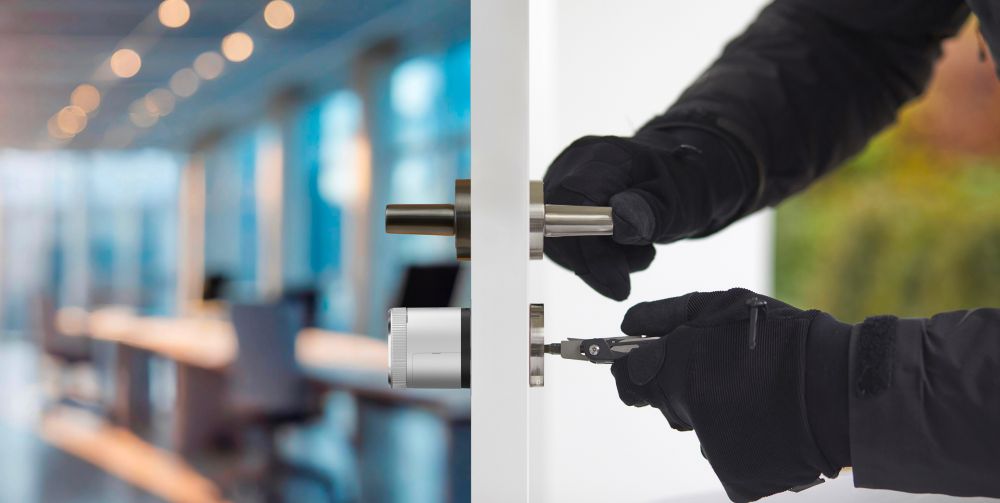
How Secure Is Your Front Door? Smart Locks vs Traditional Locks
Your front door is the main gateway to your home - and unfortunately, it’s also one of the most common entry points for burglars. While most UK homeowners think about alarms and cameras when upgrading their home security, the lock on the front door is still one of the most important lines of defence. But not all locks are created equal.
Traditional locks have been protecting UK homes for decades, yet smart locks are becoming increasingly popular thanks to their convenience and extra features. So which is more secure? And which is best suited to modern UK homes?
Let’s break down the differences between smart locks and traditional locks - and what to consider if you’re thinking of upgrading your home security.
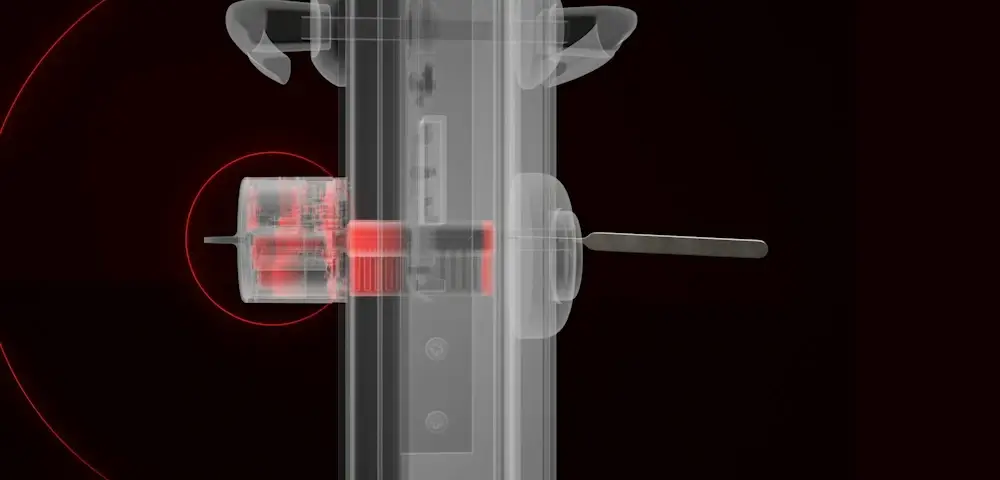
What’s the difference between smart locks and traditional locks?
At a basic level, both types of locks are designed to do the same job: keep your door closed and prevent unwanted access. The difference comes from how they do that.
Traditional locks use a physical key and a mechanical locking system. This could include:
- Euro cylinder locks (common on uPVC doors)
- Mortice locks (often found on wooden doors)
- Night latches (frequently used on older properties)
They’re simple, don’t rely on power, apps, or internet connections, and are usually the type of locking mechanism people are most familiar with.
Smart locks, on the other hand, still physically lock your door - but they offer varying levels of keyless access and remote control functionality. Depending on the model, smart locks can be opened using:
- A smartphone app
- A keypad
- A key fob
- Biometric access (e.g. fingerprints)
- Remote locking/unlocking features
Many smart locks also offer monitoring and alerts, so you can see when your door is locked or unlocked.
Which is harder to break into?
This is the big question - and the answer depends on the quality of the lock, how it’s installed, and the type of door it’s fitted to.
Traditional locks: strong, but not foolproof
A high-quality traditional lock can still be extremely secure. However, certain types of traditional locks are vulnerable to common break-in methods, such as:
- Lock snapping (especially with older euro cylinders)
- Lock picking
- Bumping
- Forced entry if the door or frame is weak
Many UK homeowners don’t realise that their locks may be outdated, poorly fitted, or not designed to resist modern burglary techniques. This is why it’s important to pay attention to the quality and current state of the locks you have in place.
Smart locks: secure by design, but tech matters
Smart locks are often designed with modern security threats in mind, including stronger protection against physical tampering. Many also offer features that improve real-world security, such as:
- Auto or remote locking (so the door isn’t left unlocked accidentally)
- Alerts if someone attempts to force the lock
- Activity logs, showing who accessed the door and when
However, smart locks rely on secure software and strong encryption. If the lock is poorly made or doesn’t receive updates, it could become vulnerable over time. This is why choosing a smart lock from a trusted home security provider is essential.
Are smart locks more convenient?
For everyday living, smart locks can be a huge upgrade - especially for busy households.
Traditional keys are easy to lose, forget, or accidentally left inside. And if you need to let someone in while you’re out (like a family member, cleaner, or dog walker), you’re stuck.
To get around this, you might end up:
- Hiding a spare key (which burglars can know to look for)
- Leaving the door unlocked “just for a minute”
- Rushing home to let someone in
Smart locks, on the other hand, remove a lot of these pain points. You can:
- Lock and unlock the door without a key
- Let trusted people in without giving them a physical key
- Check whether the door is locked, even when you’re not at home
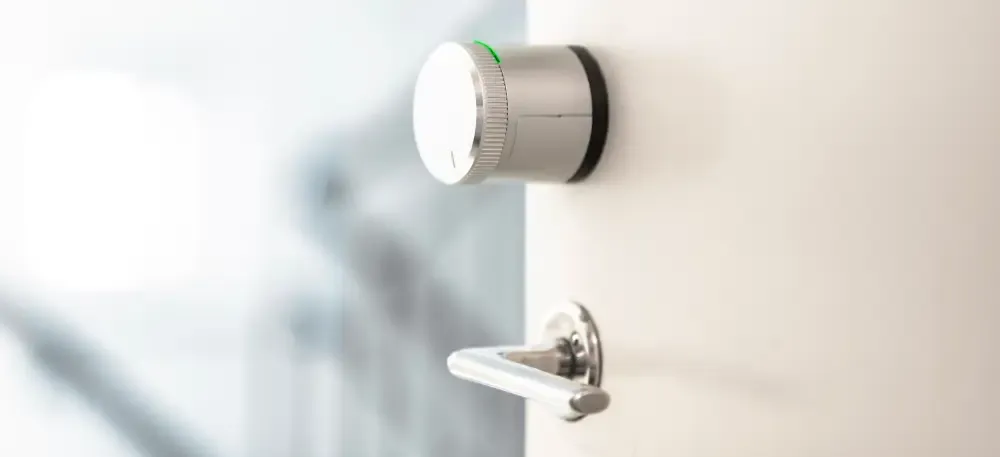
For example, the Verisure LockGuard Smart Lock is designed to work as part of a complete home security system - adding a smarter layer of protection to one of your home’s most vulnerable entry points.
Which lock works best for UK homes?
Homes in the UK come in all shapes and sizes, from Victorian terraces to modern new-builds. Because of this, there isn’t a ‘one-size-fits-all’ answer to what the best type of lock is. The best lock for your front door depends on a few practical factors.
Traditional locks can be ideal for:
- Older properties with solid timber doors
- Homes where tech isn’t a priority
- Households that prefer simplicity & familiarity
- Doors already fitted with high-security locks
Smart locks can be ideal for:
- Busy families and shared households
- Homes with frequent visitors (like dog walkers or cleaners)
- People who travel often
- Homeowners upgrading overall security
- Anyone who wants greater visibility and control