
Smart Lighting, Safer Home: How Illumination Deters Crime
Burglars depend on darkness. Low light offers cover, reduces visibility, and helps them move unnoticed. Yet one of the simplest, most effective deterrents is also one of the easiest to overlook: lighting.
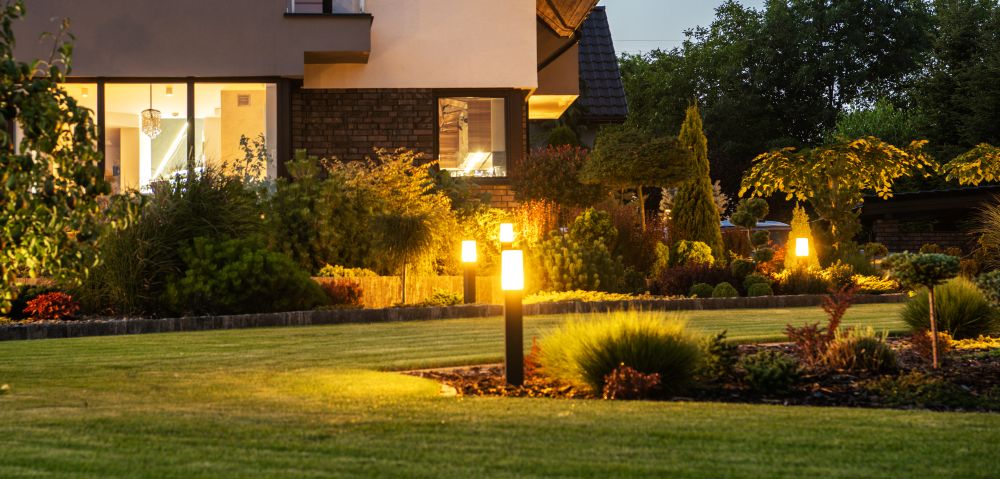
Good home security lighting doesn’t just brighten your space; it changes how your home appears to potential intruders. A well-lit property signals awareness, activity, and vigilance — all things that make burglars think twice.
From motion-sensor lights to intelligent, app-controlled systems, smart illumination can help to make your home safer every night of the year. Here’s how to use light as one of your most powerful layers of protection.
The Psychology of Light and Deterrence
For most burglars, the goal is simple: get in and out, without being seen. That’s why visibility alone can drastically reduce risk. Studies and police reports show that well-lit homes are far less likely to be targeted than those in darkness.
A study from Nottingham Trent University found that dwellings with the WIDE security combination (Window locks, Indoor lights, Door double or deadlocks, and External lights) are 49 times more protected from burglary than those without security.
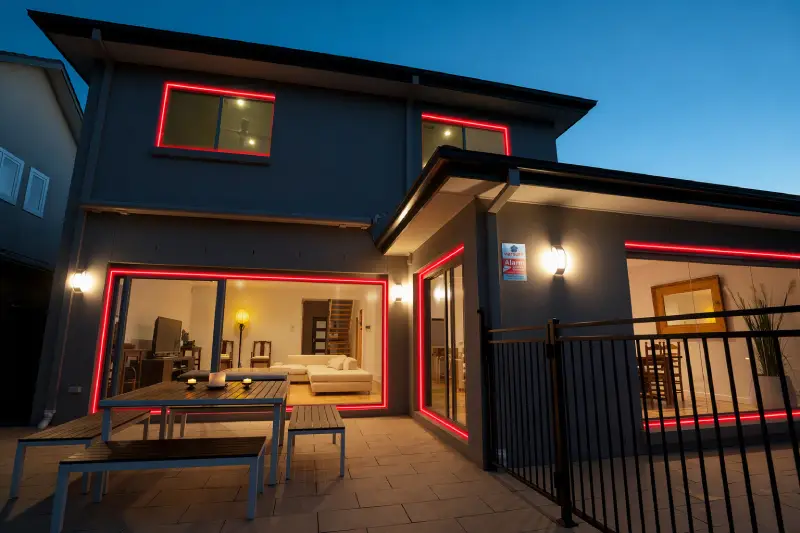
Bright, responsive lighting removes concealment and increases the chance of being noticed, whether by you, your neighbours, or passing traffic. It doesn’t just illuminate your property; it creates the perception that someone is always alert.
Common Weak Spots Around the Home
While front porches are sometimes lit, other areas are often forgotten. And it’s those places that are precisely where intruders prefer to strike. Side alleys, back gardens, and garages frequently have little to no illumination, giving trespassers time to act unnoticed.
The key to good lighting is balance. It’s about removing dark spots while ensuring the setup looks natural, and doesn’t cause glare or nuisance.

Lighting isn’t one-size-fits-all. Different systems serve different purposes, and the best protection often comes from strategically combining them.
Motion-Sensor Lighting
Motion lights are the backbone of modern home security lighting. Using infrared or microwave sensors, they activate the moment someone enters a detection zone.
Why they work:
- The sudden flash of light surprises intruders and makes them visible.
- Homeowners or neighbours are alerted when something triggers the sensor.
- They conserve energy by operating only when movement occurs.
Best placement:
Driveways, side paths, entrances, and rear gardens. Set the angle to cover approach routes rather than open areas, and test sensitivity to avoid false triggers from pets or passing cars.
Timed Lighting
Timers may sound old-fashioned, but they remain one of the easiest ways to improve security. Plug-in or smart timers can automatically switch on and off lamps or external lights during evening hours.
Why they work:
- Simulates activity when you’re away or working late.
- Keeps pathways lit for returning family members.
- Creates consistency during the darker winter months.
Vary the timing slightly day-to-day. Predictable schedules (like lights that switch on at exactly 6 p.m. every night) can become easy to spot. The aim is to make your home look genuinely occupied.

Smart Lighting Systems
Smart lighting takes things a step further. Controlled via an app or voice assistant, it lets you manage and automate your home’s lighting from anywhere.
Why they work:
- Remote controls allow you to turn lights on or off while travelling.
- Create natural-looking patterns of activity with randomised scheduling.
- Sync lights with alarms, cameras, or sensors.
For example, if a door sensor or motion detector is triggered, your smart system can automatically activate exterior lighting, instantly drawing attention and deterring intruders.
Smart bulbs are also energy efficient, and many let you adjust brightness or colour for both security and comfort.
Light is only as effective as its placement. The goal is to illuminate approach routes, entry points, and potential hiding spots, without overwhelming your neighbours or washing out your camera footage.
Key areas to illuminate include:
Front door and porch
A well-lit entrance deters opportunists and improves visibility for visitors.
Driveway
Motion lights reveal approaching vehicles or pedestrians.
Side paths or gates
Common but often neglected access routes.
Rear garden or patio
The most frequent entry point for burglars.
Garages and sheds
High-value tools and bikes are prime targets for theft.
Avoiding Glare and Overexposure
Too much brightness can be counterproductive. Aim to create even lighting without harsh glare.
- Mount lights around 2.5–3 metres high for optimum coverage.
- Use diffused or down-angled fittings.
- Avoid pointing floodlights toward windows or cameras.
Effective home security lighting should feel natural — bright enough to reveal movement, but not so intense as to draw unwanted attention.
Lighting is most effective when it works alongside other home security measures. While illumination deters intruders, smart devices can detect, verify, and respond when something changes.
Light + Camera = Clarity
Outdoor cameras perform best when well-lit. A well-placed spotlight ensures movement is clearly visible, helping capture identifiable images and providing vital evidence if needed.
Many cameras now combine both capabilities in a single device. The Verisure Arlo XL Wireless Outdoor Security Camera pairs a 130° wide-angle 1080p HD camera with an integrated security light, providing clear visuals and strong deterrence, day or night.
If motion is detected, the camera records, the light turns on, and users will receive an alert. And, if paired with a monitored alarm system like Verisure’s, you’ll create an intelligent, connected defence: deterrence, detection, and professional verification working hand in hand.
Even the best equipment can underperform if installed or used incorrectly. Watch out for these frequent pitfalls:
- Over-illumination: Too much brightness can draw attention rather than deter it.
- Ignoring rear access: Don’t focus solely on illuminating your front door.
- Leaving lights permanently on: Predictable patterns or constant use suggest automation, not occupancy.
- Improper height or angle: Lights mounted too high or pointing away from approach routes reduce coverage.
- Neglecting maintenance: Dirty lenses, blown bulbs, or untested sensors can render lighting ineffective.
Regular testing ensures your system functions properly year-round, especially before winter evenings set in. A small investment in maintenance or lighting upgrades can deliver a big improvement in safety.
Lighting, Monitoring, and Peace of Mind
Lighting is one of the most effective and affordable ways to make your home feel safe and secure. At Verisure, we design connected security solutions that bring lighting, cameras, and 24/7 monitoring together, helping you stay protected and in control — day or night.
Start a Quote