
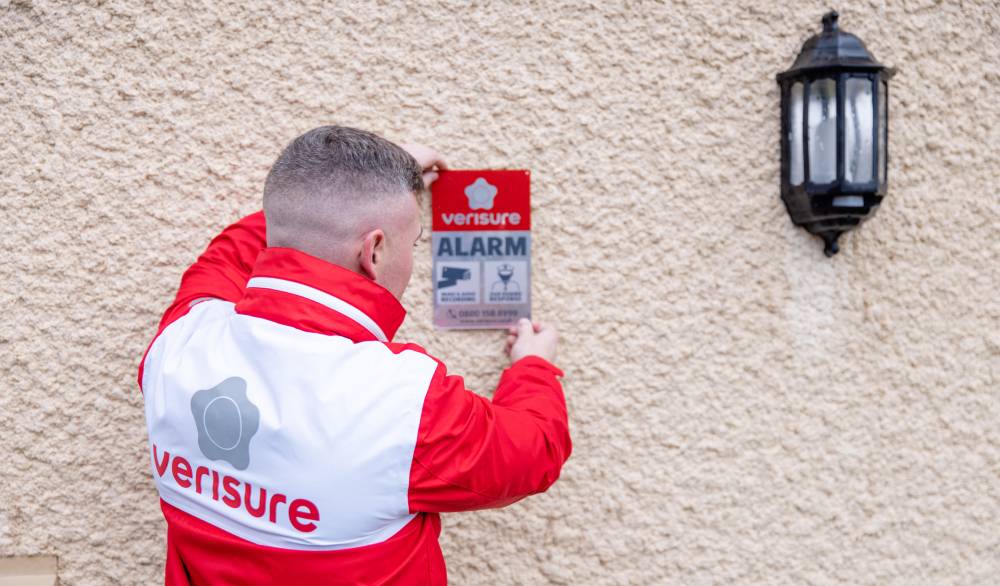
The differences between real & fake alarm signs
Having a functional alarm system installed in your home is one of the most effective ways to deter thieves and guarantee real home security. In fact, security system deterrents, like monitored alarm systems, are so effective that even alarm deterrent signage (or “deterrent plates”) can be enough to convince burglars that a house is not a worthwhile target.
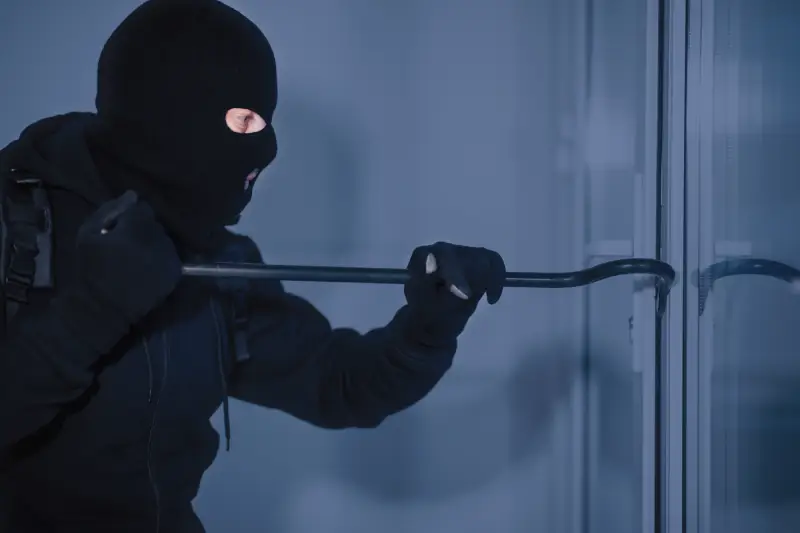
For this reason, plenty of homeowners try to take advantage of this without actually installing legitimate home alarm protection. To do this, dummy alarm signs or fake alarm boxes are put up around a property, without monitored alarm systems in operation.
While this might seem like an effective way to cut costs and deter thieves, the opposite can be true.
In this article, Verisure’s team of experts answer the question, “are fake alarms effective?” and explain why you shouldn’t rely on fake alarm signs in the absence of professional home alarm protection.
Read on to learn how genuine, monitored systems provide the visible deterrence, real-time response, and peace of mind that false alarm signage can never match.
Many homeowners are tempted to install dummy alarms instead of fully-operational home alarm systems. This is usually because of perceived cost and time intensity, lack of awareness about the risks, and a “false sense of security” mindset, where it is believed that fake alarm signage alone is enough.
Let’s explore these motivations in a little more detail.
1. Perceived Security
The main reason why people opt for imitation alarm signs is usually because it’s the first step towards increasing the perceived security of their home. Putting up fake signs is seen as ‘enough’ by many homeowners. It is quite common for homeowners to stop at the signage stage, without ever exploring actual security system deterrents, like cameras and alarms.
2. Cost
For many households, the perceived cost of monitored alarm systems is too high. While this isn’t an ideal stance to take, it’s understandable that homeowners may prefer to opt for cheap signage over tech-based solutions.
3. Effort of Installation
For homeowners who feel low on time (particularly those with children and busy schedules), finding time to research home alarm protection and compare the options available can feel near-impossible.
Not to mention the perceived effort associated with installing and maintaining an alarm system. It is often the case that homeowners simply view alarm systems as extra “hassle” they could do without. To this end, imitation alarm signage is a static, simple solution with a one-time purchase, and no maintenance required.
It’s for these reasons that fake alarm signs have become increasingly popular among home and business owners, being available to purchase online and in DIY stores across the country.
A Cost Saving, But at What Cost?
As counterfeit alarm signs become a more popular feature in windows and on walls, they also become more recognisable by burglars, too. The more widespread the use of fake alarm signs becomes, the easier it is for seasoned burglars to grow suspicious of signage — and start testing home security further.
Yes, burglars can tell the difference between real vs fake alarm signs. So, while you may think that simply displaying an alarm sign or dummy box is enough to make burglars think twice, this is no longer the case.
Experienced intruders are often quick to spot the difference between a real, monitored alarm system and a fake deterrent.
How Burglars Identify Fake Alarm Signs
While fake alarm boxes and stickers may look convincing from a distance or to the untrained eye, they rarely hold up under scrutiny. Here are some of the common giveaways that burglars look for:
- Generic or unbranded signage. Real alarm systems are usually accompanied by professionally-branded boxes and decals that clearly display the security provider’s name (for example, Verisure’s signature branding). Unbranded or vaguely worded signs like “this property is protected” often raise suspicion.
- Outdated or damaged alarm boxes. Burglars know that genuine systems are maintained regularly. So, an old alarm box that looks discoloured, cracked, or covered in cobwebs is a strong indicator that it’s not operational and that the house is more than likely not protected by real home security.
- Lack of visible sensors or cameras. Real systems are typically accompanied by motion sensors, cameras, or visible alarm components. A lone alarm sign with no supporting hardware suggests a fake setup.
- No wiring or indicator lights. Professional alarms often feature subtle wiring, LEDs, or visible power lights that show they’re active. Dummy boxes, by contrast, are static and show no signs of functionality. Although in recent years, some fake alarm systems with flashing lights have begun to be available on the market, mimicking the look and feel of real home security systems.
Official Advice From the Authorities
The UK police force offers plenty of helpful guidance for homeowners on their website. In their burglary prevention advice, the police are very careful about recommending home alarm protection and signage. In their words:
Think: Signage without substance is not secure.
The police force also recommends that homeowners “consider an accredited burglar alarm system with audible alarm boxes mounted high at the front and rear of your home”. This is again stressing the importance of choosing a reputable, genuine option like Verisure’s alarm systems.
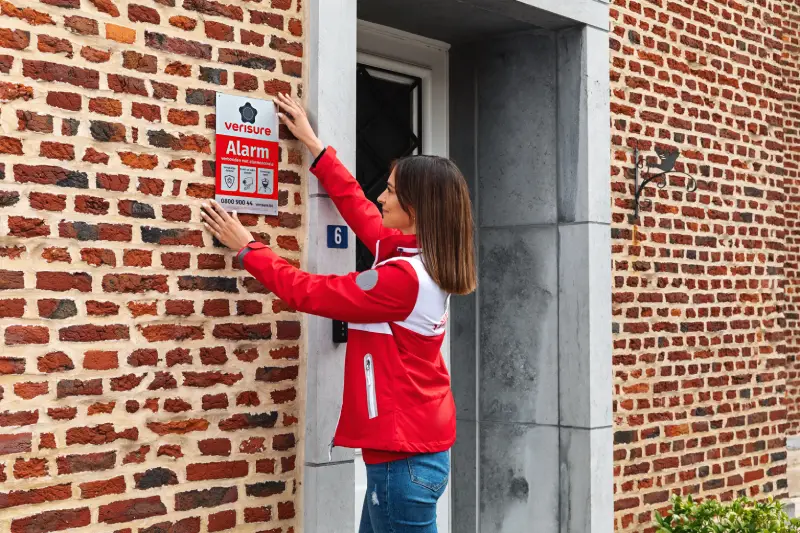
Genuine alarm signage offers real home security when coupled with functional monitored alarm systems. This type of signage is easy to distinguish from fake alternatives on account of the visible, credible company information it displays.
Real security system signage that’s linked to functioning alarms should display the following:
Company Name and Logo
Genuine alarm signs always bear the name and logo of the company providing the security system deterrents. This not only helps to authenticate the existence of the alarm, but can also be an additional deterrent, as thieves can recognise reputable brands and choose to avoid properties protected by them.
Security Company Telephone Number
Another common element visible on authentic alarm signs is the telephone number of the security company. This detail allows anyone to get in touch to warn of a possible theft, while providing yet another piece of evidence to thieves that a home is protected by a legitimate, contactable company.
Website Address
This information is similar to the previous one. Many alarm signs also incorporate the web address of the company, to signal that they have an online presence and can be contacted at any time.
Services Information
One of the most important parts of an alarm sign or stickers is the information regarding the fundamental services that the alarm system provides. The most common is 24-hour security and surveillance, although there may be others, such as recording images (if video surveillance is available), imminent warning to the authorities, or sensors.
Given how popular counterfeit alarms are nowadays, it’s important to know how to tell them apart from real versions.
Here’s a handful of the most common tell-tale signs of an imitation alarm sign:
- Specific details are missing. Dummy alarm signs often lack some of the details typical of those provided by security specialists (which we have noted above). As such, fake signs often look incomplete or have much more ‘blank space’ on them when compared to real versions.
- Errors in spelling and design, as well as unclear printing. Mass-produced, cheap dummy alarms rarely capture the clarity and quality of versions produced by trusted security professionals like Verisure.
- Low-quality materials. False alarm signs aren’t built to last in the same way as genuine deterrent signage. From low LED brightness (or even the absence of a flashing light) to the limited resistance to some weather conditions, fake alarm signs give themselves away by wearing out quickly and not living up to standards.
Below, we’ve broken down the key differences for you to explore in even more detail:
Summary
Professionally installed and monitored, linked to live sensors, cameras, and 24/7 response centres that trigger verified alerts and police action when threats occur. They feature authentic branding, regular maintenance, and high deterrent value backed by credible protection.
Self-installed, lacking any monitoring or response mechanisms, and serving only as superficial deterrents. Often generic and poorly maintained, they provide minimal security benefits and only discourage less experienced intruders.
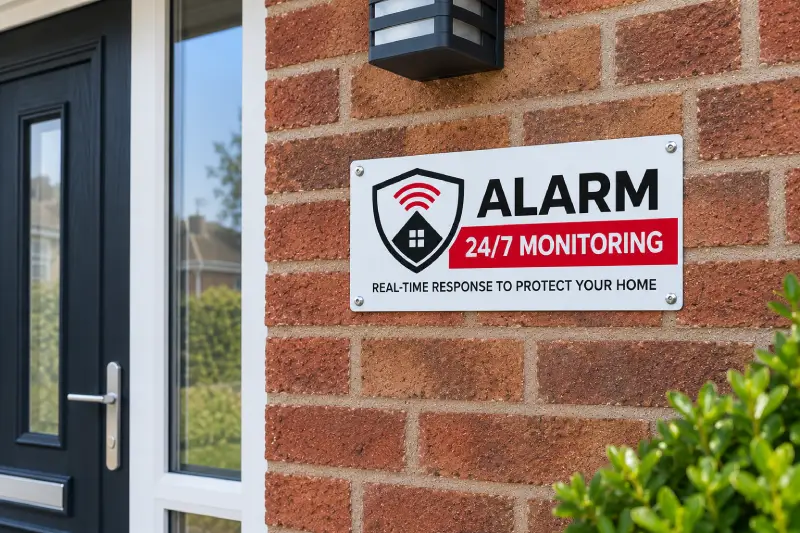
So, would you still choose a makeshift alarm sign over a monitored alarm system? If you’re still wondering whether burglar alarms are worth it (or whether fake alarm boxes are effective deterrents), let’s clear things up further:
Dummy burglar alarms and counterfeit alarm signage are never a substitute for genuine home alarm protection.
Fake signage offers passive protection at best, and a laugh to a seasoned burglar at worst.
Real signs that signal the presence of a working home alarm system provide an effective deterrent, which, if ignored, will have burglars running for cover at the sound of an alarm.
Aside from the deterrent effect, installing real burglar alarms is also a way to bring down your insurance premiums, saving you money in the long run.
The bottom line? Yes, false alarm signs are cheaper and make for a “quick fix” solution. But, in reality, they don’t actually “solve” the security problem at all and, no matter how large the savings, nothing compares to the cost of your family, you, and your property’s safety.
While you are legally allowed to put up alarm stickers on your property, even if you don’t have an alarm installed, it’s not a good idea for all of the reasons listed above.
There are no penalties for affixing a conventional alarm sticker (e.g one which does not mention an approved security company) to your property. After all, while these plates may seem authentic to the naked eye, they lack the real protection offered by the contracted security systems.
However, things get more complicated if your counterfeit alarm signs claim to be connected with a company or organisation when they aren’t.
What’s Allowed?
- Generic or unbranded alarm stickers (e.g. “This property is protected”) are legal.
- You can use deterrent signage as long as it doesn’t falsely claim professional monitoring or affiliation with a real security company.
What’s Not Allowed?
Using a company’s logo or name (like Verisure) without permission could breach consumer protection and trademark laws.
Misleading claims about professional monitoring may violate the Consumer Protection from Unfair Trading Regulations 2008 and ASA advertising rules if you’re a business.
In short, while you’re free to use generic deterrent signage, false branding or fake company logos can lead to legal or reputational issues. For genuine peace of mind (and full compliance), it’s always better to use an authentic, professionally monitored alarm system.
Are Fake Alarms & Stickers Worth It?
Ultimately, are fake security alarms and stickers without real protection worth it? Definitely not.
While they might seem like a quick and inexpensive deterrent, fake alarms only create the illusion of safety, and experienced intruders can usually tell the difference. Investing in fake signage offers no actual protection, monitoring, or response when it truly matters.
If you’re willing to spend money on creating the facade of security, that money is infinitely better spent on actually strengthening the security of your home. And here’s why:
No Real Protection
Fake alarms can’t detect motion, sound an alarm, or trigger a police response.
Easily Identified by Criminals
Most experienced thieves recognise imitation systems or outdated stickers instantly and won’t be deterred.
False Sense of Security
You may feel protected by a fake alarm, but there’s no backup when a real break-in occurs.
Better Long-Term Investment
A legitimate, monitored system increases both your property’s safety and value.
False alarm signs may give the impression of protection, but only real, professionally monitored alarm systems offer genuine security. The difference lies in how real systems can detect, verify, and respond when something happens.
Real Alarms Trigger Real Action
Monitored alarms send instant alerts to a 24/7 monitoring centre when triggered. Here, trained specialists verify intrusions in real time using video or audio feeds. This ensures immediate contact with emergency services if a break-in is confirmed.
Backed by Reliable Technology
Don’t place your trust in a plastic sign; rely on 24/7 human monitoring, high-tech alarm systems, cameras, sensors, and immediate emergency service connectivity.
Is a burglar alarm worth it? Absolutely. Choosing the right alarm system starts with understanding your home’s unique needs.
Consider layout, daily routines, and entry points, and bear in mind that larger or multi-storey homes may benefit from extra motion sensors or connected cameras.
Think about who’s home and when, as well as any valuables or vulnerable areas that need protection.
For the strongest security, look for a system that combines deterrence, detection, and intervention. Verisure’s smart alarm systems include 24/7 professional monitoring, instant mobile alerts, and rapid response verification for complete peace of mind. With visible alarm boxes, motion sensors, and real-time support, you’ll know your home is protected around the clock — not just when you’re there.
FAQs
Dummy alarm boxes do deter some opportunistic burglars, but experienced intruders often recognise them and may not be put off. They work best when paired with visible, genuine security measures.
A mock alarm is a fake or non-functioning alarm box designed to look like a real home security system. It’s used as a visual deterrent to discourage opportunistic burglars, even though it doesn’t provide any actual monitoring or protection.
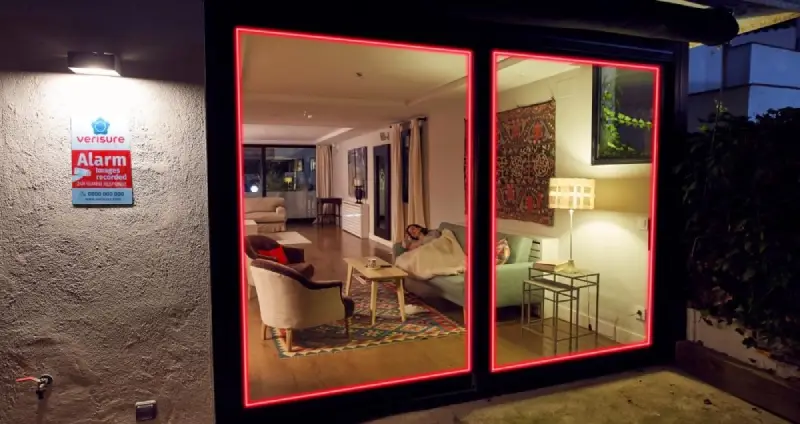
For real home security that you can rely on, come rain or shine, put your trust in Verisure’s monitored alarm systems.
Verisure combines advanced technology with the expertise of highly trained security experts to deter, detect, verify and rapidly intervene in response to threats. Through Verisure Rapid Response™, our Alarm Receiving Centre experts can assess threats and intervene within seconds, ensuring fast, effective protection for our customers.
Every system is installed by trained experts and integrated with our real-time ARC (Alarm Receiving Centre), to react instantly to potential threats. From door sensors to video verification, each component works together seamlessly to provide complete peace of mind.
Unlike fake alarms, Verisure’s systems offer tangible protection that actively deters intruders, and ensures help is on the way when it’s needed most.
Ready for Real Protection?
Contact our team of experts to get started with a free, no-obligation home alarm protection quote today.
Start a Quote