
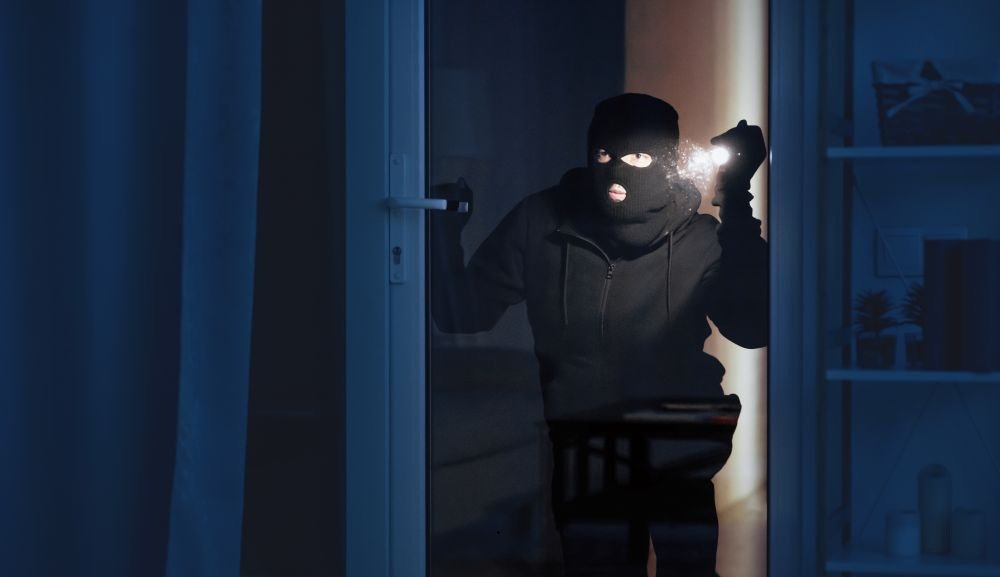
The Link Between Daylight Hours and Burglary Rates
As daylight hours shorten, our daily routines shift. We travel home from work under darker skies, spend longer evenings indoors, and instinctively draw the curtains against the cold. Yet, for all the comfort that comes with these seasonal rhythms, research continues to show a consistent pattern: burglary rates often rise as daylight decreases.
This connection between light and security is well established, but it isn’t only a winter story. The real link lies in visibility, human behaviour, and how homes appear to the outside world when natural light fades. Understanding this pattern can help homeowners make simple, lasting changes that keep their properties safe, whether it’s January or July.
In the UK, police data and home security insight from the Office for National Statistics consistently indicate that most burglaries occur in the late afternoon and early evening hours, typically between 4 p.m. and 9 p.m., when daylight fades, and many people are still away from home.
These incidents often peak between October and February, when the sun sets earlier, and homes are left in darkness for longer. But while the calendar may shift each year, the pattern remains: when visibility drops, opportunity rises.
It’s not that winter itself invites risk; it’s that our homes, for a few months each year, spend more time looking unoccupied. By 5 p.m. in November, most streets are in darkness; at the same time of day in July, it’s still broad daylight. For opportunistic intruders, that difference is significant.
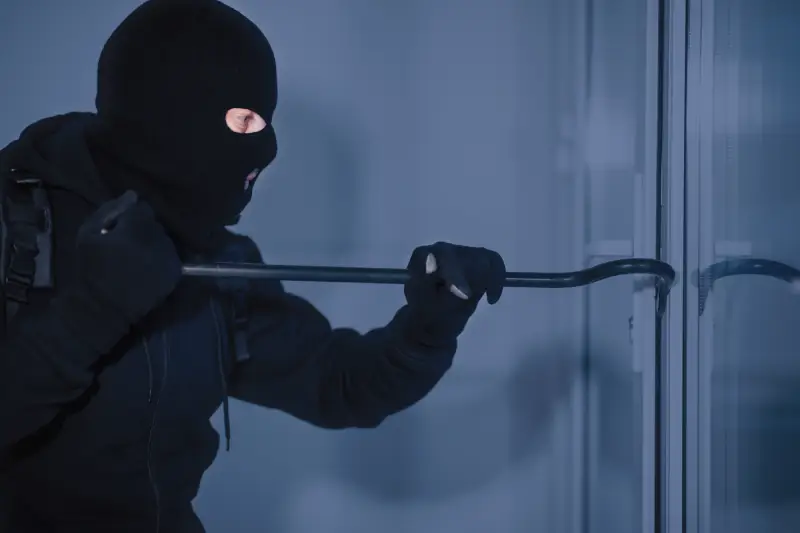
A darker environment changes both what people can see and how they behave, and burglars take advantage of both.
Reduced Visibility
Simply put, it’s easier to move unseen. Low light conceals movement and detail, giving intruders the cover they need to approach a home without drawing attention. Side paths, gardens, and driveways without adequate lighting become natural entry points.
Predictable Routines
Darkness tends to make household schedules more visible from the outside. A home that lights up suddenly at the same time each evening, or remains unlit until late, provides clues about when occupants are home. This predictability can help would-be burglars choose their moment.
Fewer Witnesses
Shorter days and colder evenings mean fewer neighbours outside, fewer pedestrians passing by, and less street activity overall. It’s not that communities become unsafe, only that they become quieter, giving intruders more confidence to act unnoticed.
In summary, darkness doesn’t cause crime, but it does make it easier to go unseen. And when visibility drops, the small details of security, lighting, locks, and awareness matter even more.
If you look beyond the winter months, you’ll find that burglary patterns don’t simply rise and fall with temperature or holidays; they tend to follow the ebb and flow of daylight itself.
That means the risk can shift not only between seasons but across the course of a single day. Midday and early afternoon burglaries, for instance, are more common in summer when homes are left empty with windows open. By contrast, evening break-ins dominate the darker months.
Even geography plays a role. In rural areas where street lighting is minimal, visibility drops sooner and more sharply than in urban centres. What’s more, the perception of occupancy, whether a home looks lived-in, can be as powerful a deterrent as any lock or camera.
A bright, well-kept exterior tells a silent story: someone is home, someone is paying attention, and any unwanted visitor will be noticed.

When it comes to deterring burglary, light is one of the simplest yet most effective tools available. It shapes perception, influences behaviour, and sends a clear message that a home is cared for and protected. Many modern security cameras, like the Arlo XL Wireless Outdoor Spotlight Camera, combine a 130° wide-angle 1080p HD camera with an integrated security light to provide lighting as a layer of protection.
To create a well protected environment, a layered approach works best:
- Exterior lighting: Motion-activated lights at entrances and along paths can startle intruders while making activity instantly visible to neighbours.
- Interior lighting: Smart plugs or timers that mimic everyday routines (for example, turning on a hallway lamp at dusk) help a home look occupied even when no one’s in.
- Consistent upkeep: Replace broken bulbs promptly, keep hedges trimmed to prevent shadows, and ensure your property looks active from the street.
These are not just practical steps; they’re psychological ones. A home that looks “awake” is rarely a target. Light is more than visibility; it’s a quiet but powerful form of prevention.
Of course, even the best lighting can’t cover every possibility. Real peace of mind comes from knowing that your home is protected at all times, not just when the lights are on.
That’s where professional monitoring adds an extra layer of reassurance. With Verisure’s monitored alarm systems, every sensor, motion detector, and camera is connected to a 24/7 Alarm Receiving Centre. If an alert is triggered, trained security specialists verify the situation in real time and contact emergency services if needed.
This combination of smart technology and human oversight means your home is never left unprotected, whether you’re asleep, away, or simply unaware that anything has happened.
Daylight May Come and Go, But Your Security Doesn’t Have To
By pairing practical awareness with continuous, professionally monitored protection, you can stay confident that your home, and everyone in it, is safe, every hour of every day.
Start a Quote