








The Alarm Monitoring Guide 2026
Home alarms come in a variety of shapes, sizes and price points, but perhaps the biggest difference between systems is whether it's monitored or not. But what does that mean, exactly?
While all home security systems are technically monitored at least by the system owner, a monitored alarm refers to a professionally monitored system, where security experts are paid to respond to alarm triggers.
This takes the ownership and stress off your shoulders, allowing you to sleep or go on holiday in peace knowing trained professionals are on hand to react in an emergency.
In this complete guide to alarm monitoring, we delve into how it works, how much it costs, and whether monitored alarms are worth it in 2026.
What is alarm monitoring?

Alarm monitoring usually refers specifically to professional monitoring, which means trained professionals are paid to respond anytime one of the cameras or sensors detects suspicious activity.
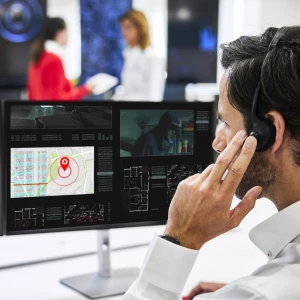
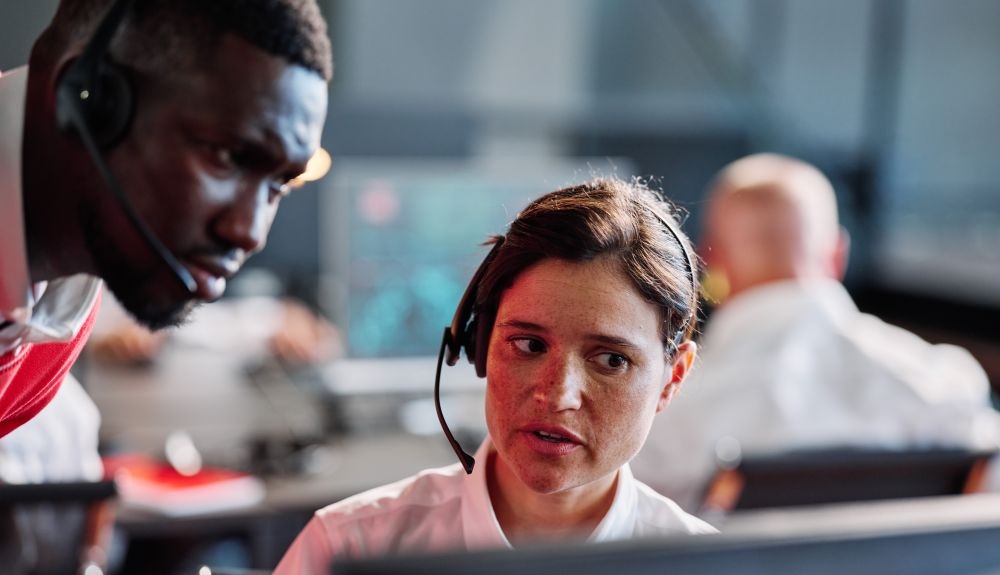
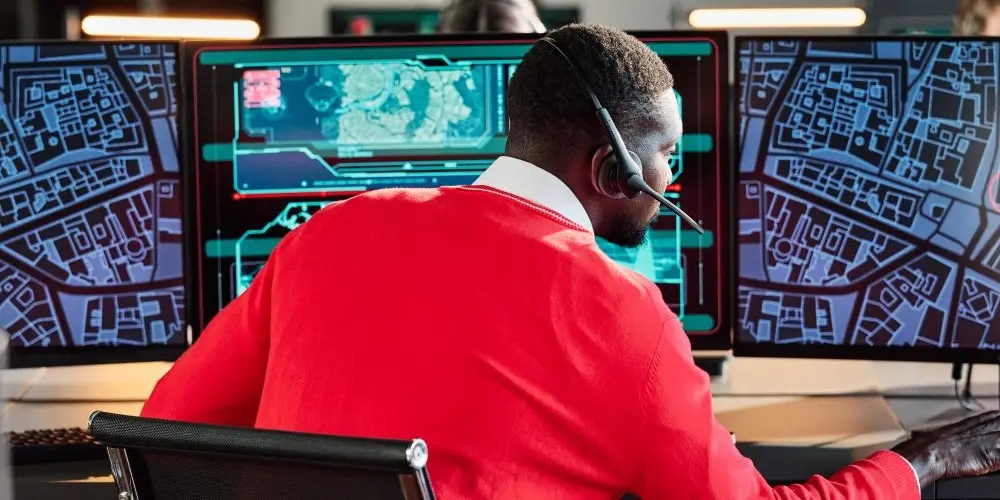
With a professionally monitored system, your home alarm is connected to an Alarm Receiving Centre (ARC), which is alerted within seconds of one of your sensors being triggered. The Verisure Alarm Receiving Centre (ARC), for example, operates 24/7 and is staffed with security professionals who are tasked with responding to alarm triggers at any time of the day.
Once the ARC has received an alert, a professional will assess the situation in the affected home, using the other cameras in the system to gather information about what is going on.
If the situation warrants it, they will respond accordingly, either dispatching security guards or calling the police or emergency services.
Can you monitor your own home alarm?
Yes, it is possible to monitor your own home alarm. Many providers allow you to purchase cameras and sensors to install them and monitor yourself, which is generally known as a “DIY home security system”.
While this solution can come out cheaper than a monitored home alarm, the onus is on you as the system owner to respond to any triggers, assess the situation and call emergency services if needed, which is likely to take longer than having security experts monitoring your alarm.
How does alarm monitoring work?

An alert is sent to the Alarm Receiving Centre and to any mobile devices you've chosen to link to your system.
A security professional will pick up this trigger and assess the situation inside your home using other cameras and sensors in your system. Devices with two-way audio such as the Verisure Siren, Voice, Keypad unit allows them to use “listening mode” to gather additional information or to speak to potential intruders or communicate with you.
The security expert will respond according to their assessment of the live situation. This could be by marking the trigger as a false alarm, by dispatching security guards or by calling emergency services.
How much does alarm monitoring cost in the UK?
The cost of professional alarm monitoring in the UK varies from one provider to the next. However, it will usually be charged as a monthly fee, which comes on top of the upfront cost of your home alarm system.
This fee differs considerably depending on who provides your alarm system, how many cameras need to be monitored, and if you opt for any premium features.
How does a monitored alarm differ from an unmonitored alarm?
An “unmonitored” or self-monitoring alarm simply means it will be up to the system owner to respond to any system triggers.
A security professional at the Alarm Receiving Centre assesses the trigger using your system's cameras and sensors, then dispatches security guards or calls emergency services if needed.
An alert is sent to your connected mobile devices, and it's up to you to assess the situation using your own devices, then decide whether to dismiss it or call emergency services yourself.

Do monitored alarms automatically alert the police?
While monitored alarms don't necessarily call the police immediately after a sensor in your system is triggered, they send an alarm to an Alarm Receiving Centre where a security professional will assess the situation. If they think the situation warrants it, for example if there is an intruder in your home, they will dispatch private security guards or call the police to intervene.
Are monitored alarms worth it?
If you value peace of mind, monitored alarms are definitely a worthwhile investment.

Peace of mind
You can offload the responsibility of receiving and responding to alerts to paid professionals who are well-versed in assessing high-risk situations such as burglaries and home invasions.

Fewer false alarms
Security experts will carefully consider the situation before responding accordingly, reducing the risk of false alarms.

Faster response times
A professional Alarm Receiving Centre in charge of responding to triggers likely leads to faster reaction times, as you could be asleep, busy or away during an attempted home intrusion.
Frequently asked questions about alarm monitoring
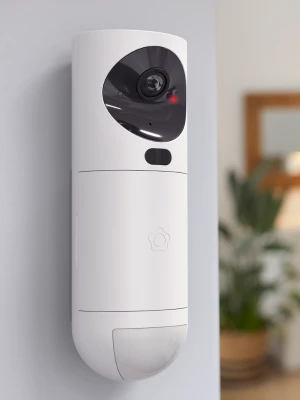
A photo detector is a type of alarm motion detector that combines motion sensing with image capture. When movement is detected, it captures a sequence of images to help verify what is happening inside a property.
No, only selected people can watch your security cameras when you have a monitored alarm system. This usually includes security professionals who work in your alarm provider's Alarm Receiving Centre (ARC), who are tasked with responding to system triggers, and the owners of devices you choose to link to your alarm system. No one else should be able to view any footage from your cameras.