











How Home Security Has Evolved: From Padlocks to Smart Sensors
Locking the front door before leaving home is such an ordinary habit that most of us rarely stop to think about how home security reached this point.
For centuries, protecting a property meant relying on strong doors, bolts, bars and mechanical locks. Over time, advances in electricity, communications and digital technology changed what home security could do.
What Is the History of Home Security Systems?
The history of home security systems can be understood through three broad developments: deterrence, detection and response.
Early security measures were designed to deter intruders or make it more difficult to get inside the property. The arrival of electrical alarms meant a home could now react when a door or window was opened, while the introduction of cameras and sensors provided more information about what was happening.
Monitoring services and connected technology then extended that protection beyond the property itself. Alerts could reach trained operators or homeowners elsewhere, rather than depending on somebody being inside or close enough to hear an alarm.
Early Home Security Was Built Around Physical Barriers
Long before electrical alarms, households relied on the strength and design of the building itself. Thick doors, secured gates, shutters and barred windows were used to protect likely entry points, while bolts, keys and padlocks allowed access to be controlled more effectively.
The materials and mechanisms might have become more sophisticated over time, but these measures all still depend on the same age-old principle: creating a physical barrier between the home and anyone trying to enter.
Many of these measures remain relevant today. Secure doors, well-maintained windows and dependable locks are still an important part of home protection.
What Was the First Home Security System?
There is no single first home security system if we include the locks and barriers used throughout history. However, the first patented electrical burglar alarm is generally credited to American inventor the Reverend Augustus Russell Pope.
Pope patented his electromagnetic alarm in 1853. The design connected doors and windows to an electrical circuit, triggering a bell when one of those entry points was opened.
The technology was simple compared with today’s standards, but the principle is still used in today’s alarm systems: detecting a change at an entry point and activating a warning.
It marked an important move away from security that relied entirely on deterrence. For the first time, a home could detect when somebody was attempting to enter the property.

From Audible Alarms to Smarter Detection
However, as impressive as the burglar alarm was, it still relied on someone being close enough to hear it. As telegraph and telephone networks developed, alarm signals could be sent elsewhere, allowing operators at a central location to respond when a system was triggered.
This marked the beginning of central monitoring. Rather than relying entirely on a bell or a siren, alerts could reach trained staff beyond the property, adding a human response to the technology.
Video later gave occupants a clearer view of what was happening. In 1966, Marie Van Brittan Brown and Albert Brown filed a patent for a home security system that included a camera near the entrance, an internal screen, two-way audio and remote door control. Many of these ideas are now familiar from video doorbells and connected entry systems.
For much of the 20th century, alarms still depended on cables running between detectors, control panels and sirens. Wired systems could cover several rooms, but installation often required careful planning and physical work around the property.
Wireless technology reduced the need for extensive cabling, making sensors easier to position around doors, windows and other vulnerable areas. It also made domestic systems simpler to adapt when the layout of a home or its security needs changed.
How Smart Home Security Works Today
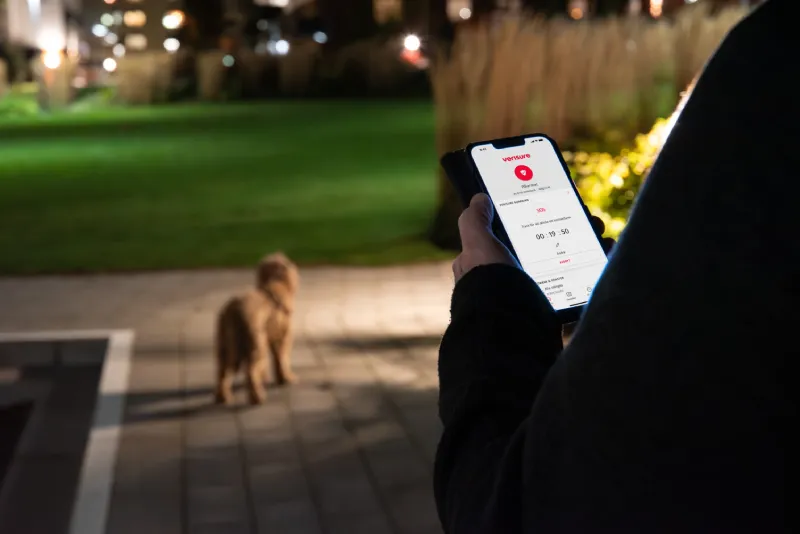
Smartphones and connected devices have made home security easier to manage as part of everyday life. Depending on the system, homeowners may be able to check whether their alarm is armed, view footage from compatible cameras and receive alerts through an app, even when they are away from the property.
Modern systems can also bring different devices together. A door contact or motion sensor may detect activity, while a camera provides further visibility into what has happened. This gives the homeowner more information than a standalone alarm, which may only sound a warning.
However, app-based security still relies on someone noticing the notification and being able to respond. An alert could arrive while the homeowner is asleep, in a meeting, travelling or unable to check their phone.
Professional monitoring adds trained human judgement to the process. When a monitored alarm is triggered, specialists in an Alarm Receiving Centre can review the available information and follow the appropriate response process. This means the system does not rely entirely on the homeowner seeing and acting on every alert themselves.
The Purpose of Home Security Today?
While the equipment used to protect homes has changed considerably, the reasons behind it remain much the same.
People still want to control who enters, know when something unusual is happening, and help protect the people and possessions that matter most to them.
From padlocks to smart sensors, the tools have become more capable, but the central purpose remains familiar: helping people feel safer and more secure at home.
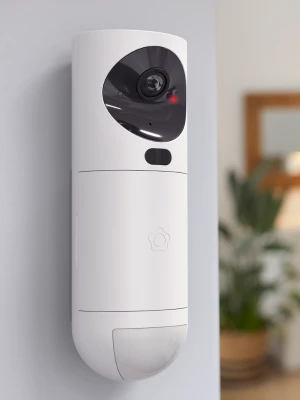
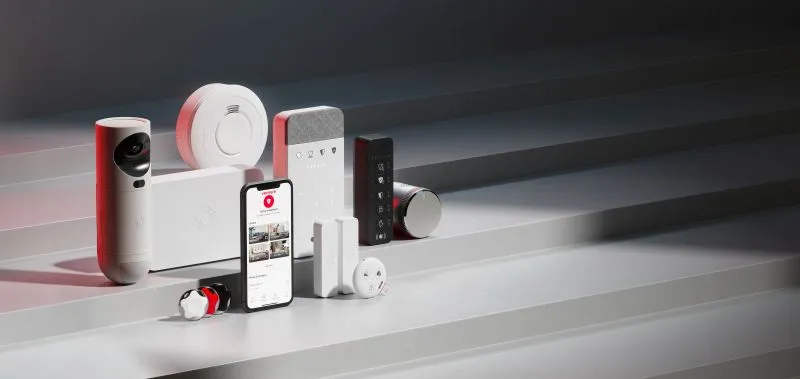
Verisure combines connected sensors and compatible cameras with 24/7 professional monitoring and app-based controls. Through the My Verisure app, customers can manage supported parts of their system and stay connected to their home, while trained specialists assess alarm triggers when they occur.
To explore how smart technology and professional monitoring could support your home, start a quote with Verisure today.