
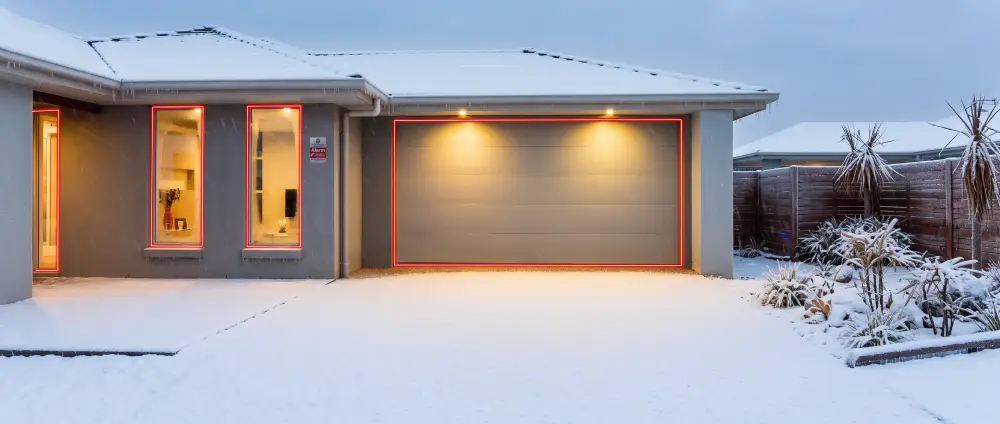
10 Autumn & Winter Security Checks Every Homeowner Should Make
As the days grow shorter and temperatures drop, autumn and winter tend to bring a lot of shuttering up — a cosying up and feeling safe from the cold in the heart of your home.
But this also comes with a range of security and safety challenges for homeowners. Longer hours of darkness, harsher weather, and extended time spent at home all increase the importance of making sure your property is properly protected. So, from checking door locks to ensuring fire and carbon monoxide detection is working correctly, a few proactive steps can make a significant difference.
Below are 10 essential autumn and winter security checks every homeowner should make to help keep their household safe, secure, and protected around the clock.
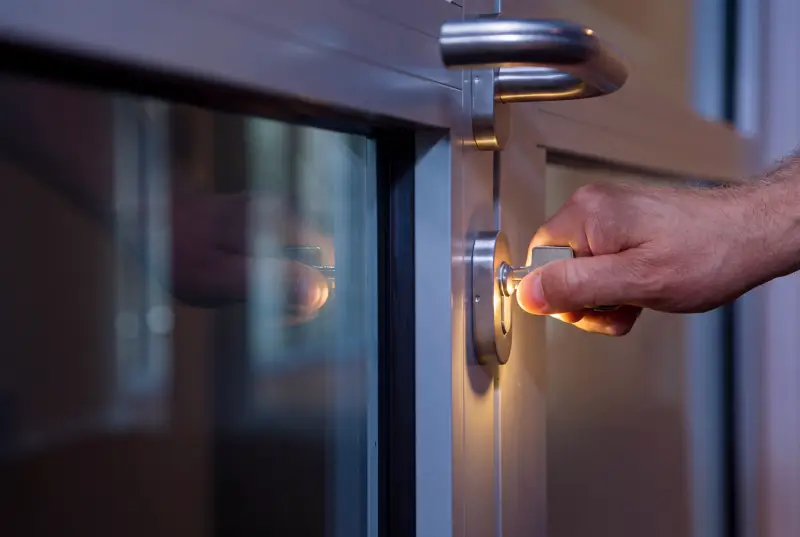
Inspect & Maintain All External Door Locks
Doors are your home's first line of defence, and colder months can put extra strain on locks due to changes in temperature and humidity.
Check all external doors — including front, back, garage, and patio doors — to ensure locks operate smoothly and securely. Stiff, loose, or damaged locks should be repaired or replaced promptly. Moreover, multi-point locking systems should engage fully along the door frame.
For stiff locks, a few sprays of silicone grease does wonders, not only to loosen up the lock mechanism, but to also avoid it rusting again with higher air moisture during the darker months.
For households with smart or connected locks, it's wise to ensure batteries are fresh (or topped up, if rechargeable) and software is up to date.
Check Windows, Frames, and Window Locks
Windows are another common access point for intruders, especially ground-floor or easily accessible windows. And, though comparatively rare with most modern window frame materials, frames can expand or contract as temperatures change, affecting how securely windows close.
Inspect all windows for gaps, cracked seals, or faulty latches. Ensure window locks are working correctly and engage fully. And don't forget less obvious areas such as bathroom windows, basements, or skylights.
Autumn is also a good time to review how window sensors or alarms function, ensuring they are correctly positioned, cleaned, and responsive.
Trim Back Overgrown Hedges and Bushes
While greenery can enhance kerb appeal, overgrown hedges, bushes, and trees can provide plenty of cover for intruders — particularly during darker months.
Trim vegetation near doors, windows, and pathways to remove hiding spots and improve visibility from the street. Well-lit, open sightlines act as a natural deterrent, and make suspicious activity more noticeable to neighbours and passers-by.
Of course, you have to balance a desire for privacy with a possible need for neighbourly security. If you live in a terrace, perhaps you can get away with keeping your hedge a bit taller, because you'll have neighbours on each side — only you can decide what's right for your home.
Think About How Your Home Looks After Dark
As autumn turns into winter, darkness becomes part of everyday life. Early sunsets mean your home is often approached, entered, and left in low light — which makes outdoor lighting more important than many people realise.
Take a moment one evening to look at your home from the outside. Are entrances clearly visible? Are pathways well lit? Or are there shadowed areas where someone could approach unnoticed? Good lighting doesn't just help you get your keys in the door — it plays a major role in deterring unwanted visitors.
Motion-activated lighting can be particularly effective, drawing attention to movement and making activity visible immediately. When combined with a monitored alarm system, lighting becomes part of a wider, layered approach to security rather than a standalone feature.
Make Sure Your Alarm System is Ready for the Season Ahead
Autumn is a real reset point; routines change, doors and windows are opened and closed more often, and homes are used differently as the weather cools. It's therefore a really good time to consider how well your alarm system is protecting you.
Would your system alert someone if a door opened unexpectedly at night? Would motion sensors still work effectively if furniture has been moved or winter coats are hanging nearby?
Cold weather can also affect batteries and connectivity, so knowing your system is backed by professional, 24/7 human monitoring adds valuable reassurance. It means alerts are assessed and acted on immediately — even if you're asleep, away, or unable to respond yourself.
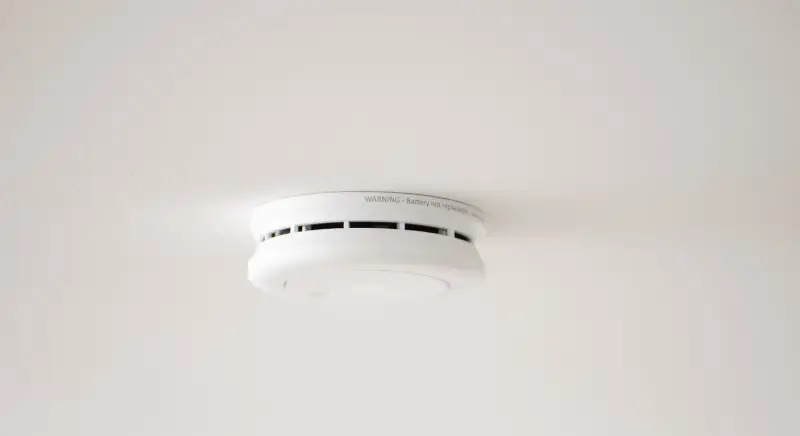
Consider Fire Risk as Heating Comes Back On
As soon as heating systems, fireplaces, and portable heaters come back into regular use, fire risk naturally increases. Again, like with most security concerns, this isn't something that you need to be in constant fear of — it's simply a seasonal reality that you need to consider.
Think about how your home is used during winter. Are more appliances running for longer? Are candles used more often? Are rooms heated overnight? These small changes add up. Make sure you're keeping fire safety front of mind.
Don't Overlook Carbon Monoxide During Colder Months
Carbon monoxide is one of the most serious seasonal risks, precisely because it's invisible and odourless. As boilers, gas fires, and heaters work harder in winter, the importance of early detection becomes clear.
It's crucial to make sure you have working detectors but, again, don't forget to think about coverage and response. Would an alert be heard at night? Would someone act quickly if levels became dangerous? And what if there's a leak while nobody's home — could it become a threat when you return if it goes unnoticed?
Think About Garages and Outbuildings as Part of Your Home
Garages and sheds are often treated as separate from the main home, but from a security perspective, they're very much part of the picture — especially in winter.
Darker evenings and quieter streets can make these spaces more attractive targets. They may contain valuable items or provide tools that could be used elsewhere on the property (that then can't be traced back to a perpetrator).
Consider how protected these areas really are. Are they well lit, and are they monitored? If there's internal access to the house, does it offer the same level of protection as your front door? Bringing garages and outbuildings into your overall security strategy closes gaps that are often overlooked.
Check That Your Security System Still Fits Your Life
Seasonal changes often bring changes to routine, such as different working hours, holiday travel, guests staying over, or children spending more time indoors. Your security system should therefore reflect how your household actually lives. In the early days of home security, alarm schedules were often fairly clunky to set — but that's not the case anymore.
However, it's still worth asking simple questions:
- Does everyone know how the system works?
- Are emergency contacts still correct?
- Would responders have the right information if something happened while you were away?
A professionally monitored system relies on accurate, up-to-date details to respond effectively — and keeping everything (and everyone) aligned ensures help arrives quickly and appropriately when it's needed most.
Consider Areas Worth Upgrading
So, with all these checks to make sure everything's working as it should, it's also a good time to consider whether anything could work a lot better. And things that used to work well may no longer work for your lifestyle.
Homes evolve over time, extensions are added, layouts change, routines shift, and security systems should evolve with them.
Rather than thinking in terms of replacing everything (though that is sometimes a good option), think about where small upgrades could make a meaningful difference. For example, if there are areas of the home that feel less protected after dark, consider adding motion sensors, lights, or cameras.
Ultimately, feeling safe in your own space matters at any time of year, but it can feel particularly impactful in winter. There's a confidence to safety — to feeling like you're able to lock the door at night, settle in, and know that everyone and everything inside your home is properly protected.
That's where an expertly designed and professionally monitored alarm system makes a world of difference. With Verisure, you're not just relying on technology to alert you — you're backed by real people, monitoring your home 24/7 and ready to act the moment something isn't right. Whether it's a break-in, a fire, or a carbon monoxide alert, you're never dealing with it alone. Browse our products and services here.
Get Ready for a Safer Winter
From door locks to carbon monoxide detection, Verisure's professionally monitored alarm systems help keep your home protected around the clock — whatever the season.
Start your quoteFrequently Asked Questions
Autumn marks a shift in routine — darker evenings, colder weather, and more time spent at home all change how your property is used and approached. Door locks, window seals, and outdoor lighting can also be affected by changes in temperature and humidity.
Checking these now, before winter sets in fully, helps catch small issues before they become real vulnerabilities.
Priority checks include inspecting external door and window locks, trimming back overgrown hedges that create hiding spots, reviewing outdoor lighting, and making sure your alarm system is working properly ahead of the darker months.
Fire and carbon monoxide safety also become more important as heating systems and fireplaces come back into regular use.
Yes. Garages and sheds often contain valuable items or tools and can be more vulnerable during darker, quieter winter evenings. Treating them as part of your overall security strategy — with good lighting and monitoring — closes gaps that are often overlooked.
Cold weather can affect battery performance and connectivity, so it's worth checking that batteries are fresh and software is up to date, especially for smart or connected devices.
A professionally monitored system adds reassurance here, since alerts are assessed and acted on by trained professionals around the clock, regardless of the weather.
As boilers, gas fires, and heaters work harder during colder months, the risk of carbon monoxide leaks increases. Because it's invisible and odourless, working detectors and a reliable way to be alerted — day or night — are essential.