










How To Secure Your Home At Night: A Room-By-Room Checklist
Most of us have a bedtime routine. Lights off, phone on charge, alarm set for the morning, eye mask on.
What's easily forgotten is the final check that keeps your home secure while you sleep. It's worth noting that burglaries don't only happen during daylight hours or when a house is empty.
Fire safety checklists already cover smoke alarm checks and switching off appliances, and they're well worth following. This guide covers the rest of your night routine: locking up, arming your system, and making sure nothing has been left open or is on show to opportunistic thieves.
Practice the below for a week or two, and it stops being a checklist – and starts becoming a habit.
Why night-time security deserves its own routine
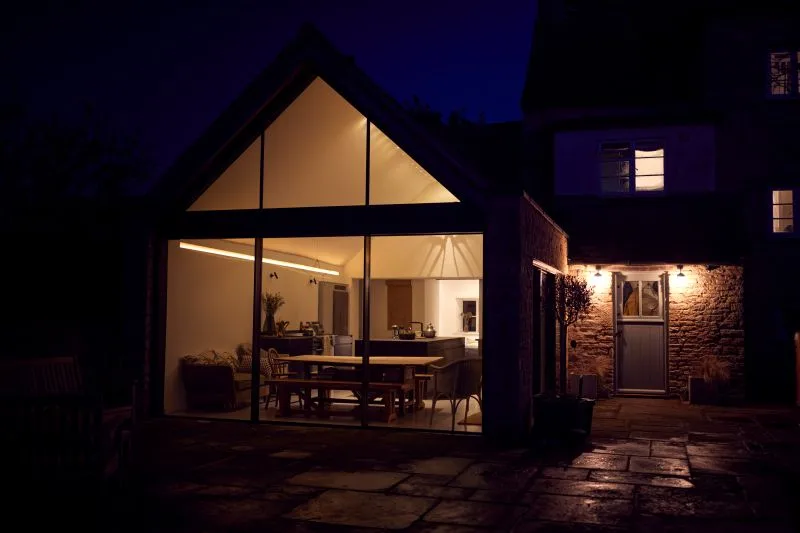
Darkness does burglars a favour. It hides them at the point of entry, and it hides an unlocked window or a side gate left on the latch from you. Ground-floor doors and windows are the usual way in, and an opportunist will often try the easy option first.
A quick nightly check closes those easy options off. It also means you're not lying awake wondering whether you locked the back door, because you'll know you did.
If you'd like a sense of how intruders actually approach a property, read our guide to the techniques used by burglars.
Your night-time home security checklist
Here's the run-through to do before you head up to bed. It takes a couple of minutes once you're used to it.
Lock every external door
Front, back, side, and any door from an integral garage or conservatory. Turn the key fully and lift the handle on multipoint locks so the bolts engage properly. Feel free to test the lock after by pulling the handle down.
Check the windows
Close and lock ground-floor windows, and don't leave upstairs windows wide open above a flat roof or an extension that's easy to climb.
Move keys away from the letterbox
Car keys and door keys left on a hall table or in your door can be fished out. Keep them out of sight and out of reach.
Bring valuables in from view
Laptops, handbags, and parcels sitting in the hallway or on a windowsill are an invitation, and an enticing one.
Secure the garden and side access
Lock sheds and garages, put ladders and tools away, and bolt your side gate.
Sort your lighting
Leave a lamp on a timer or a hall light on, and check that any outdoor security lighting is working. A home that looks occupied is less appealing to try – and this goes for when you're on holiday, too.
Close the garage
An open or unlocked garage often connects straight to the house and could give burglars a quiet and direct entry path.
Arm your alarm
The final step, and the one that keeps watch once you've gone up to bed. More on how to do that at night below.
If you're weighing up which of these to invest in first, our list of home improvements that make your home more secure pairs well with this routine.
Should you set your house alarm at night?
Yes, you should always set your house alarm at night, and it's one of the most useful things a security system does. Modern choices also mean you don't have to choose between arming the alarm and being able to get to the bathroom at 3am.
Most monitored systems, Verisure included, offer a night or partial arming mode. It protects the perimeter of your home, the doors and downstairs windows, while leaving the areas you move through overnight free. So, the sensors on your ground floor are active and watching for anyone trying to get in, but you can walk across the landing without setting anything off.
If a protected door or window is opened while the system is armed, the alarm responds, and our monitoring team is alerted to check what's happening.
Setting it is quick. You can arm the system from the keypad on your way up, or from the My Verisure app once you're already in bed and realise you've forgotten. That last part matters, because the easiest system to use is the one you'll actually remember to switch on.
Should you arm your system every night?
Make this part of your routine. An alarm only protects you on the nights it's switched on, and the nights people skip tend to be the ordinary ones, when nothing feels like it could go wrong.
Consistency is what turns a security system into a real deterrent, and it's why we'd always suggest building the arming step into your routine rather than saving it for when you feel uneasy.
Night security cameras for your home
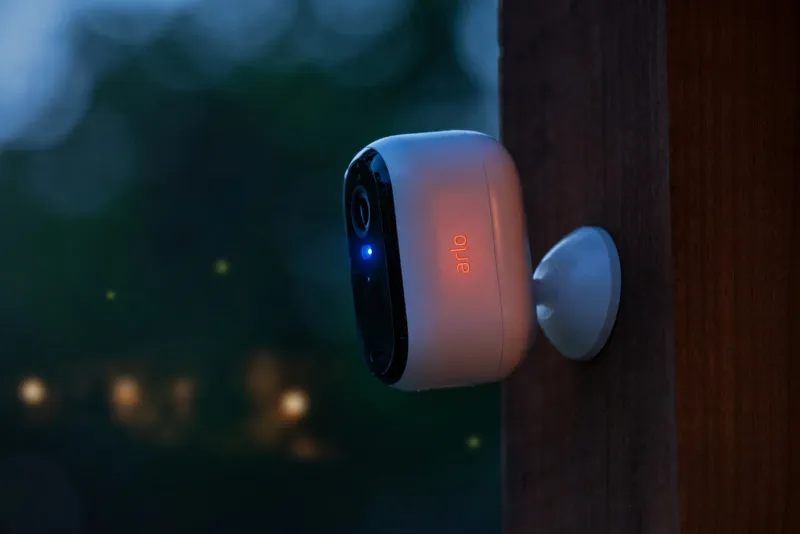
Cameras earn their keep after dark, as long as they can see in low light. When you're choosing one, look for night vision and motion-triggered alerts, so you're only notified when something actually moves, rather than every passing cat or fox.
A few options work well as part of a night-time setup:
A video doorbell
Covers the front door and lets you see and speak to anyone there without opening up. Handy for a late knock you weren't expecting. Take a look at the Verisure video doorbell.
An outdoor camera
Keeps an eye on the driveway, garden, or side access, the spots an intruder would need to cross.
An indoor camera
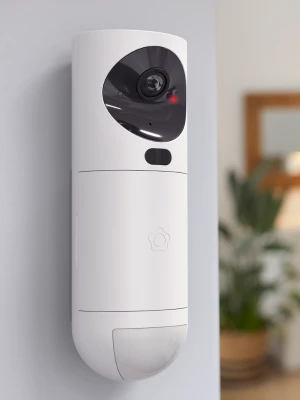
Adds cover for the ground floor while everyone's upstairs, so you can check in from your phone if an alert comes through.
With cameras linked to an app, a motion alert overnight means you can look at a live view straight away and decide what it is, rather than getting up to peer through the curtains. If protecting the garden and outdoor spaces is a priority for you, our guide to securing your outdoor spaces goes into more detail.
Making security a habit
None of this security checklist takes long once it's part of your evening. Lock up, tuck valuables away, check the garden's secure, and arm the system. After a fortnight, you'll be doing it without thinking, the same way you'd never leave the house without your car keys or locking the front door.
Get a free home security quote
If you'd like your night-time routine backed by professional monitoring, with partial arming, cameras, and app control built in, get a free quote and one of our experts will talk you through what would suit your home.
Get a free quote