How to choose a home security system for flats
Whether you own it or rent it, choosing a home security for a flat is a very different task to choosing one for a house, as it comes with its own challenges and requirements.
For instance, while you likely won’t have to worry about securing a front or back yard, you’ll have to consider the fact you share entry points and common spaces with other building residents. If you are a renter, you’ll need to consider your landlord’s requirements when it comes to hard-wiring appliances.
This guide walks you through all the factors to keep in mind while you shop for the perfect home security setup for your property, including the features and devices to look out for, as well as the privacy considerations you should take into account.
Conduct an initial assessment of your flat
Before you start browsing different home security systems, take the time to answer the following questions so you have a better idea of what to look for:
- Which entry points are most vulnerable in your property? For instance, if you live on the ground floor, you may need stronger window and door protection than flats on higher floors.
- Do you have shared spaces to consider? This is important for two reasons. If there is a communal lobby, back alley, or parking area, this could affect the security of your flat, but it could also mean you have to be mindful of where to place security devices so they don’t encroach on your neighbours’ privacy.
- Are you renting? If so, are there specific rules laid out by your landlord regarding altering the property? Can you drill into walls? Are wired systems or outdoor cameras prohibited in your flat?
- Do you have reliable Wi-Fi and cell coverage? Many systems rely on internet or cellular backup.
At Verisure, this initial assessment will be conducted with a professional security expert who will work with you to lay out your requirements and build a custom system to fit your property.
Legal and privacy considerations of home security systems for flats
As mentioned above, unlike a detached house, securing a flat means you are likely to have to take your neighbours’ privacy into consideration. For instance, you’re unlikely to be able to place cameras in the corridors between flats, or in common areas such as the lobby.
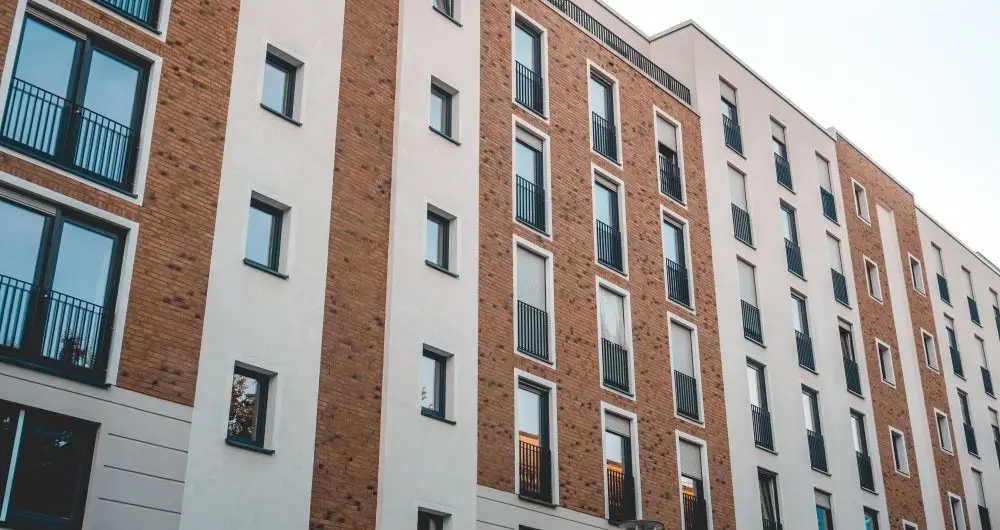
Before you commit to any home security system for your flat, check your rental agreement and building rules, as some landlords, property managers or homeowners’ associations require you to get permission to install cameras outside of your flat.
If you are allowed to install cameras and sensors on common property, such as outside your front door, be mindful of where your neighbours’ doors and windows are. Position your cameras so they record only your door, and avoid recording shared entryways unless you have permission from the neighbours affected.
When installing a home security system in a flat, it may be useful to read over your chosen provider’s data policies so you can explain to your neighbours where recorded videos and images are stored, and for how long.
If you are renting your flat, we’d strongly recommend keeping any receipts for the home security system you purchase so you can prove you own it when it comes to moving, and documenting landlord permissions if you are installing semi-permanent devices.
Consider your budget
A home security system can range from a simple camera and a base station to an array of sensors, indoor and outdoor cameras, professional monitoring and smart features.
Before you start shopping around, set a total budget for your system so you know exactly how much you are willing to pay. It can be helpful to let the salespeople you talk to what your budget is, so they can recommend systems within your price range.
It’s worth noting that on top of the upfront cost of your security system, you may have to factor in monthly costs for features such as professional monitoring or cloud video storage. We’d also recommend leaving room in the budget for occasional replacement batteries and device repairs or upgrades.
Choose from these must-have home security devices for flats
Home security systems can refer to anything from a complex network of sensors to a single indoor camera and siren unit.
When choosing a home security system for a flat, we recommend starting small and paying only for the essentials; you can always add extra devices, sensors, and camera to it at a later date.
Below are some of the devices we think are particularly well suited to securing flats:
- Door and window shock sensors detect impact and vibrations on your entryways, and send out an instant alert if they sense unusual activity. We’d recommend placing some on your main doors and ground-floor or easily accessible windows.
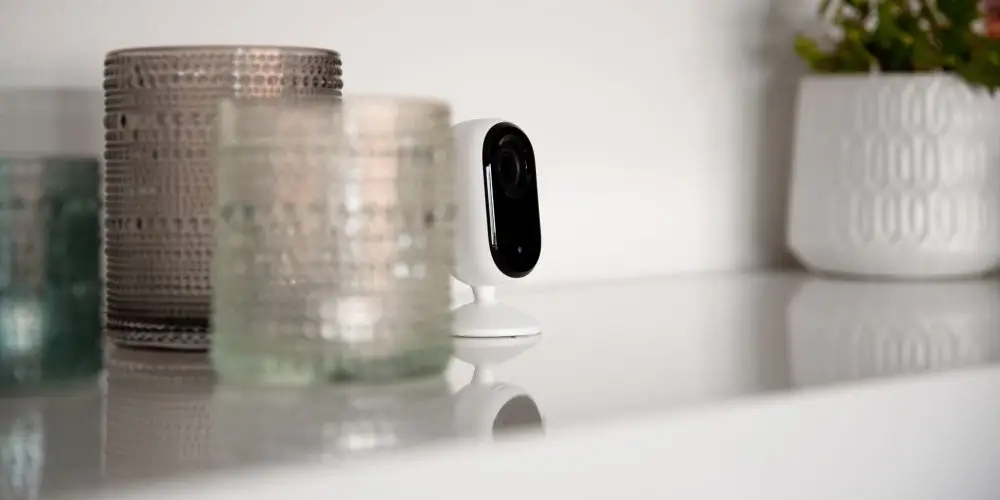
- Indoor cameras record footage of the inside of your home and alert you in case motion is detected. These indoor cameras from Arlo are wireless and equipped with infrared night vision so you can get a clear picture even in low light, a 130-degree wide-angle lens for maximum coverage and a built-in siren to sound the alarm in the event of an intrusion. Thanks to two-way audio, you can also listen or speak to burglars or intruders.
- Verisure’s GuardVision™ photodetector identifies movement or activity inside your home and sends you a burst of photos of the potential intruder so you can review the situation and act accordingly.
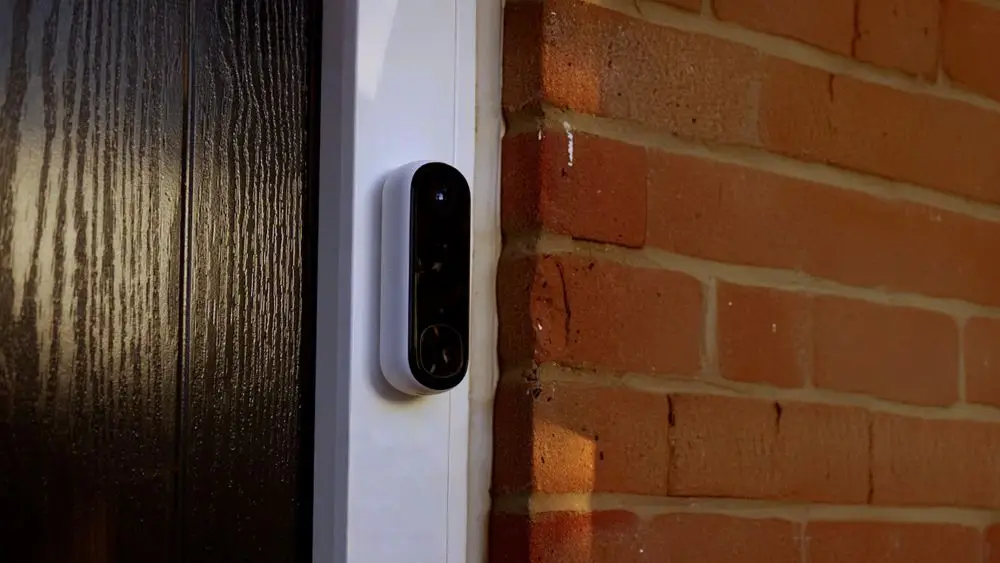
- Video doorbells are an excellent choice for flats with outside entryways, provided you place them in a location that doesn’t encroach on your neighbours’ privacy. The Verisure Arlo Video Doorbell is weather-resistant and offers 180-degree views of the outside of your property. It captures footage in HD and a built-in motion sensor will alert you every time movement is detected, so you can check the doorbell’s feed in real time.
What features to look for in a home security system for flats
In general, when you are picking out security devices for any property, combining a range of features is most effective. For instance, we’d recommend choosing a device with a sensor-activated light for extra deterrence, some kind of camera or photo detector to record the movements of intruders, and an alarm system which can alert you and security professionals in the event of a break-in.
App integration is a really important feature to look out for, especially for families or professionals who are out of the flat for a lot of the day. Being able to monitor your devices through the Verisure App gives you extra peace of mind when you’re out alerting you when one of your sensors is triggered.
On top of this, Renters especially will want to prioritise wireless devices with adhesive mounts and magnetic sensors. Indoor plug-in cameras are ideal for those who want to protect their property without leaving a mark.
Check that the devices you’re interested in have cellular data backup so they can still function in the event of a power or broadband outage. For instance, Verisure’s central unit is mains-powered but comes with 48-hour battery backup so it will keep you protected even if you have no power.
Choose your monitoring type
Anyone interested in buying a home security system will have to consider whether they want to self-monitor or pay for professional monitoring.
While the former is cheaper (sometimes even free), you’ll have to respond to any alerts yourself. Any time one of your sensors or cameras is triggered, you’ll get an alert on your smartphone app to let you know there’s a potential intrusion. If you have cameras, you’ll be able to check their feed in real-time and decide what the best course of action is.
Verisure only offers professionally-monitored systems, which take the burden of response out of your hands. If a sensor is triggered, the data is sent to you and to a 24/7 Alarm Receiving Centre staffed by security professionals. Depending on their assessment, they can alert the police, dispatch a team of security guards to your property, or send an ambulance, if required.

Professional monitoring comes at an extra cost, but provides an additional level of protection and guarantees the appropriate response is taken in the event of an intrusion.
Interested in building a custom, professionally monitored home security system for your flat? Get in touch with Verisure security experts today.
Frequently Asked Questions about choosing a home security system for a flat
Do burglars target flats?
There’s no hard-and-fast rule about what types of properties burglars target, but the Met Police states that they prey both on houses and flats. Basically, thieves will take any convenient opportunity such as an open window, accessible entry points and easily forcible doors to try to steal your belongings.
Can you have a burglar alarm in a flat?
While it’s not forbidden to install a burglar alarm in a flat, if you are renting, you will need to get approval from your landlord before installing one in. If you own the flat outright, you may also have to seek approval from the homeowners’ association or property manager before installing a burglar alarm.
What is the best home security system for flats?
Every property is different and thus, there isn’t necessarily one best home security system to recommend. That said, opting for a reputable and established provider such as Verisure is a safe bet. Verisure security consultants work with you to create a customised system for your flat, which is also professionally monitored for extra peace of mind.