Home Security For New Homeowners: What To Prioritise First
Moving into a new home is an exciting milestone. It’s a fresh start and a chance to make a space feel truly your own . But while unpacking boxes and arranging furniture often take centre stage, home security should be one of the first things on your checklist.
For new homeowners, the first few days and weeks are the ideal time to review how well a property is protected – especially before you’ve filled the house with all your belongings.
You may not know who still has keys, whether old locks are secure, or how quickly you could respond if something went wrong. Taking action early helps you build confidence in your new home and protect the people, belongings, and routines that matter most.
Why Home Security Should Be an Early Priority
When you move into a new property, there are often unknowns. Previous owners, tenants, tradespeople, cleaners, neighbours, or letting agents may once have had access. Entry points may be older than they look, and alarm systems may be outdated, inactive, or poorly maintained.
New homeowners are also adjusting to unfamiliar surroundings. You may not yet know the neighbours, quieter areas, or the times when your home is most likely to be empty.
It’s also important not to assume that every possible bad thing will happen . Taking sensible precautions early is simply about gaining peace of mind.
1. Change Locks and Secure All Access Points
One of the first jobs for any new homeowner should be checking and securing every entry point.
- Front and back doors
- Side entrances
- Patio and French doors
- Ground-floor windows
- Garage doors
- Externally accessible gates
If you’ve moved into a previously occupied home, changing the locks is a sensible first step . Even if all keys were handed over, it’s impossible to know how many copies are still in circulation.
It’s also worth checking the condition of doors, frames, hinges, handles, and window locks . A strong lock is only effective if everything around it is secure too.
- Solid, well-fitted external doors
- Working locks on all accessible windows
- Secure door frames and hinges
- Reinforced patio and rear access points
- A reliable way to control who can enter the property
2. Check for Visible Weak Spots
Walk around your property as if you were trying to assess potential points of entry . This exercise often reveals vulnerabilities you might otherwise miss.
- Hidden side entrances
- Poorly lit driveways or pathways
- Low fences or unsecured gates
- Ground-floor windows hidden by hedges
- Rear doors not visible from the street
- Sheds or garages containing tools
Improving lighting, cutting back overgrown plants, and securing side access can make a significant difference. Homes that look well-protected are generally less appealing to intruders .
3. Install a Professionally Monitored Alarm System
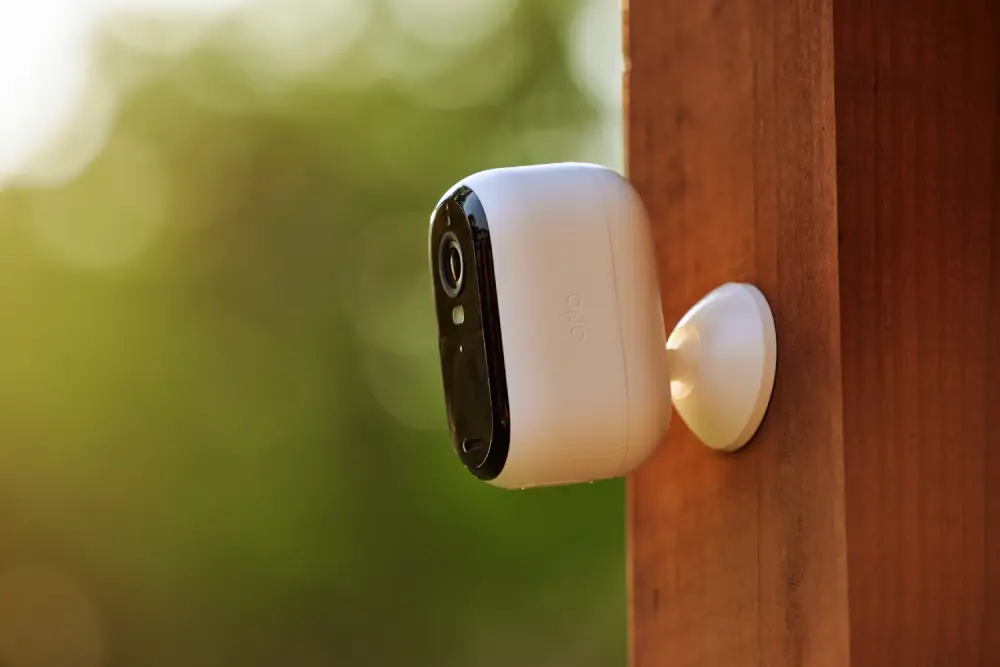
A smart alarm is an important step, but the support behind it matters just as much. Choosing a professionally monitored security system offers additional reassurance.
Phone alerts can be missed. Professional monitoring helps ensure incidents are handled quickly and appropriately, even when you’re unavailable.
- 24/7 monitoring
- Rapid response when an alarm is triggered
- Expert incident handling
- Reassurance while you’re away

4. Protect Against More Than Burglary
Home security also involves planning for other emergencies, including:
- Fire
- Carbon monoxide leaks
- Medical emergencies
Systems that support a fast, reliable response can be critical when every minute counts.
5. Prioritise the Rooms That Matter Most
Focus first on the spaces that are most valuable or vulnerable:
- Main entrances and exits
- Hallways and access routes
- Living rooms with electronics
- Home offices
- Bedrooms
- Kitchens
- Utility rooms
- Attached garages
A layered approach offers better protection than relying on a single security measure.